Starting now
El Salvador, again · October 2026
We’re not waiting for the perfect plan.
We’re opening a free after-school club on a small piece of coastal land in El Salvador: a safe, warm place for the children who most need somewhere to go when the school day ends.
01What it is
After school, somewhere safe to go.
Children go to their normal school in the day. When it ends, the ones with nowhere safe to be come to us, and stay until a parent, grandparent or carer can collect them.
While they’re with us they eat, play and learn: a more holistic, open-minded kind of learning that helps each child find and grow what they’re good at. It’s free, and it’s all in Spanish.
1
Somewhere safe
A fenced, supervised place to be between the end of school and the end of a carer’s working day.
2
Something to eat
A proper snack or meal every afternoon. For some children it may be the one they can count on.
3
Learning that grows gifts
Play, nature, making and asking questions, built from a curriculum an experienced educator is adapting for us.
4
Grown-ups who notice
Local teachers and mentors who know each child by name, and can spot when something is wrong at home.
02Why here, why now
It is much easier to show people than to tell them.
The land is ready
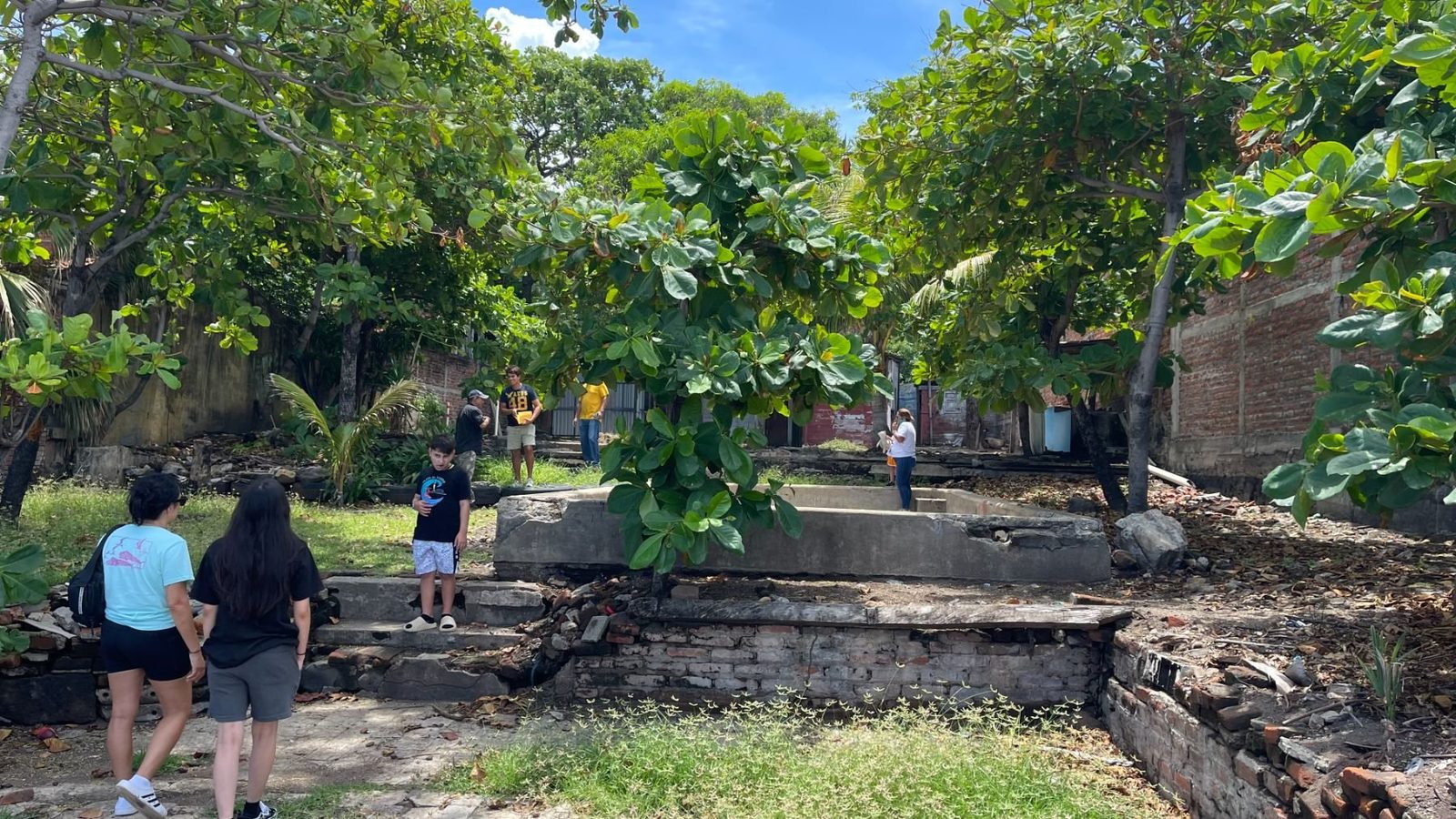
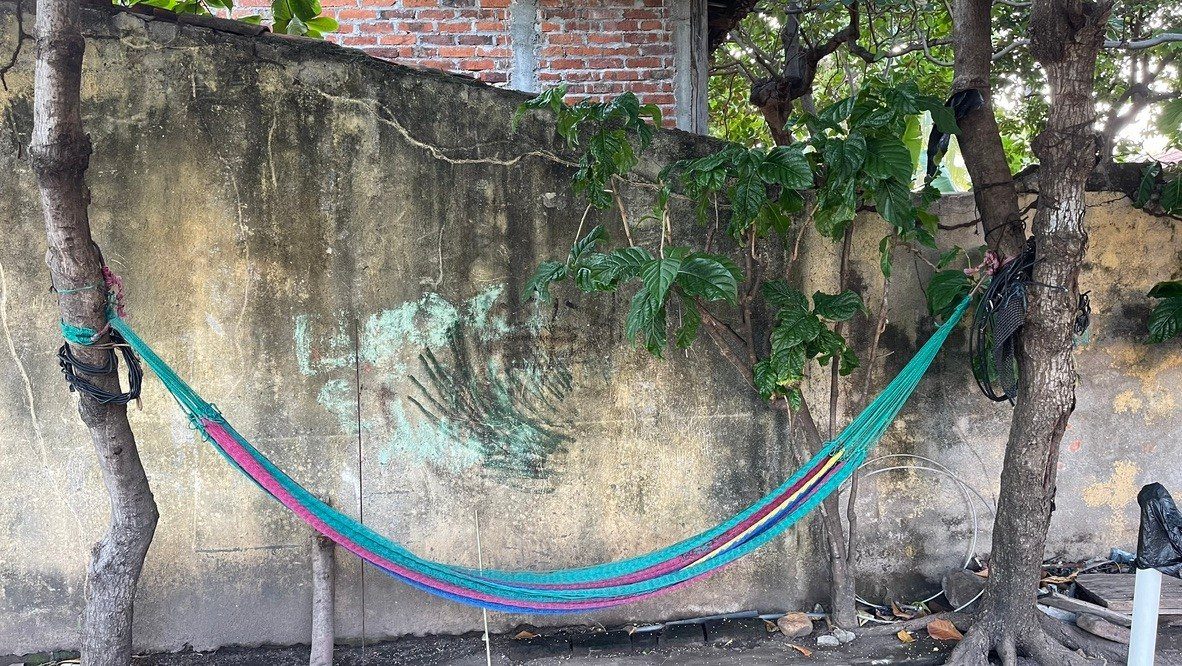
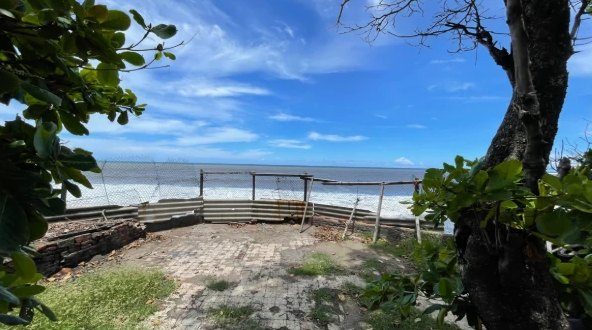
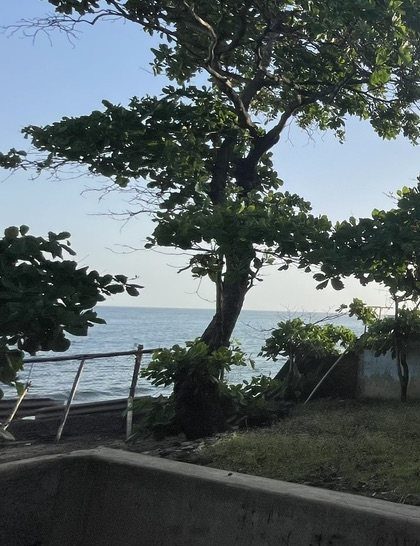
A small coastal plot we already own, free to use for at least a year. Flat ground, trees, running water and an old building we can repair.
The schools want it
We’ve met the local schools. There are several close by, and they have told us they need after-school care.
It’s affordable to start
Local costs are low enough that we can pay for the first team ourselves while we raise the rest.
A real place changes minds
“Come and see what we do” works better than any pitch. A working pilot gives funders, governments and partners something to visit.
03How it will work
Six steps, as light and temporary as we can make them.
Nothing permanent until we know what works. Temporary classrooms let us start in months, not years, and change our minds without tearing anything down.
1
Visit the land and the schools
A first trip with our education lead to walk the site, meet the schools again and agree what the club should offer.
Now
2
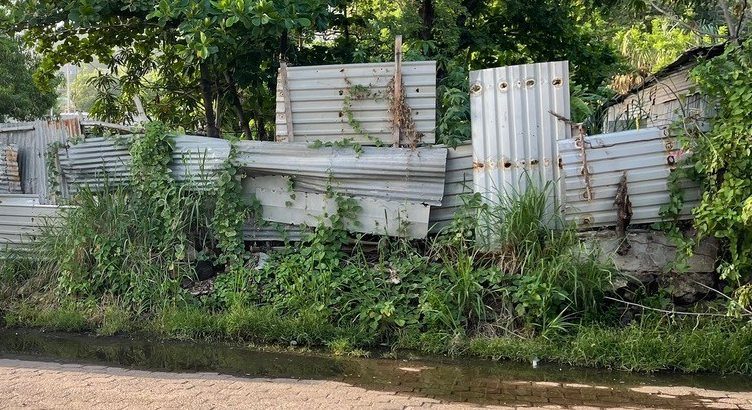
Make the site safe
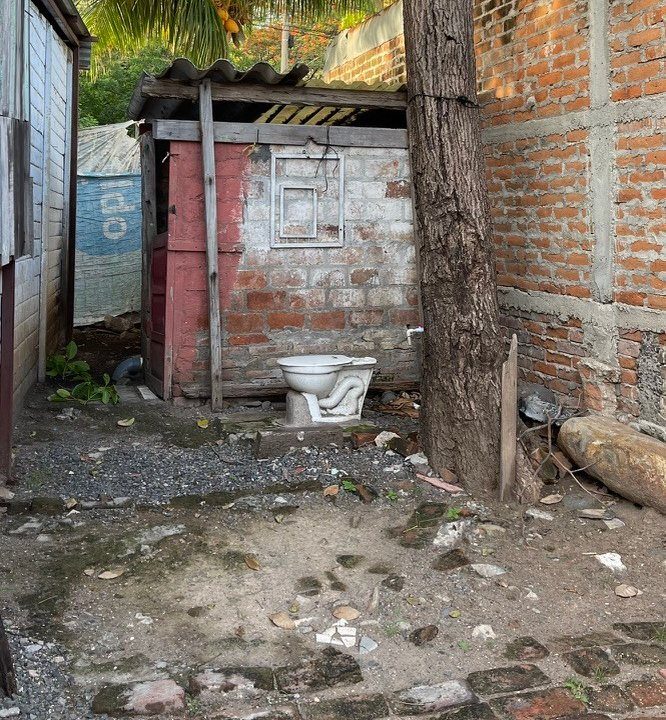
Clear the ground, secure the boundary, repair the toilets. The old swimming pool is a hazard today; we’ll fill and plant it as a sunken garden the children can grow food in.
Next
3
Bring in temporary classrooms
Three or four modular cabins with power and plumbing built in. Temporary structures let us open without waiting years for building permits. We’re pricing cabins against converted containers.
Next
4
Find the local team
A local operator, teachers and mentors who speak Spanish and live nearby. Safeguarding policy, checks and training first.
Next
5
Open the doors after school
Free for the children who most need somewhere to go, chosen with the schools. A curriculum in Spanish, a meal, and adults who stay until a carer arrives.
Then
6
Measure everything, then share it
What it cost to set up. What it costs to run. How many children came, and what changed for them. That becomes a model we can take to governments and funders, and to the next town.
6–12 months
04What we have, and what we don’t
We have5
Land we own, free to use for at least a year
Schools nearby that have asked for after-school care
An experienced educator adapting a curriculum, in Spanish
An architect who works with local and indigenous communities, keen to help
Family and trades people locally who can help us build
We need to find out6
Which permits temporary classrooms need
Modular cabins or converted shipping containers: which is cheaper and cooler in the heat
Whether local food programmes can cover snacks and meals
Who will run it day to day
How children are referred, and by whom
What a year really costs to run
05Follow the build
We’ll film it all, mistakes included.
Short videos from every stage: clearing the land, the first classroom arriving, the first afternoon. Collected in one playlist, with a QR code on the gate so anyone passing can follow along too. We’ll never show a child’s face without their family’s consent.
Episode list
1First visit: the land and the schools
2Clearing the site
3The pool becomes a garden
4The first classroom arrives
5Opening afternoon
06How we got here
We are still learning the best way to do this. We will keep trying until we get it right.
Every attempt so far has taught us something, and the people we met along the way shaped every page of this document. Here is where we have been.
1Peru2023–2025
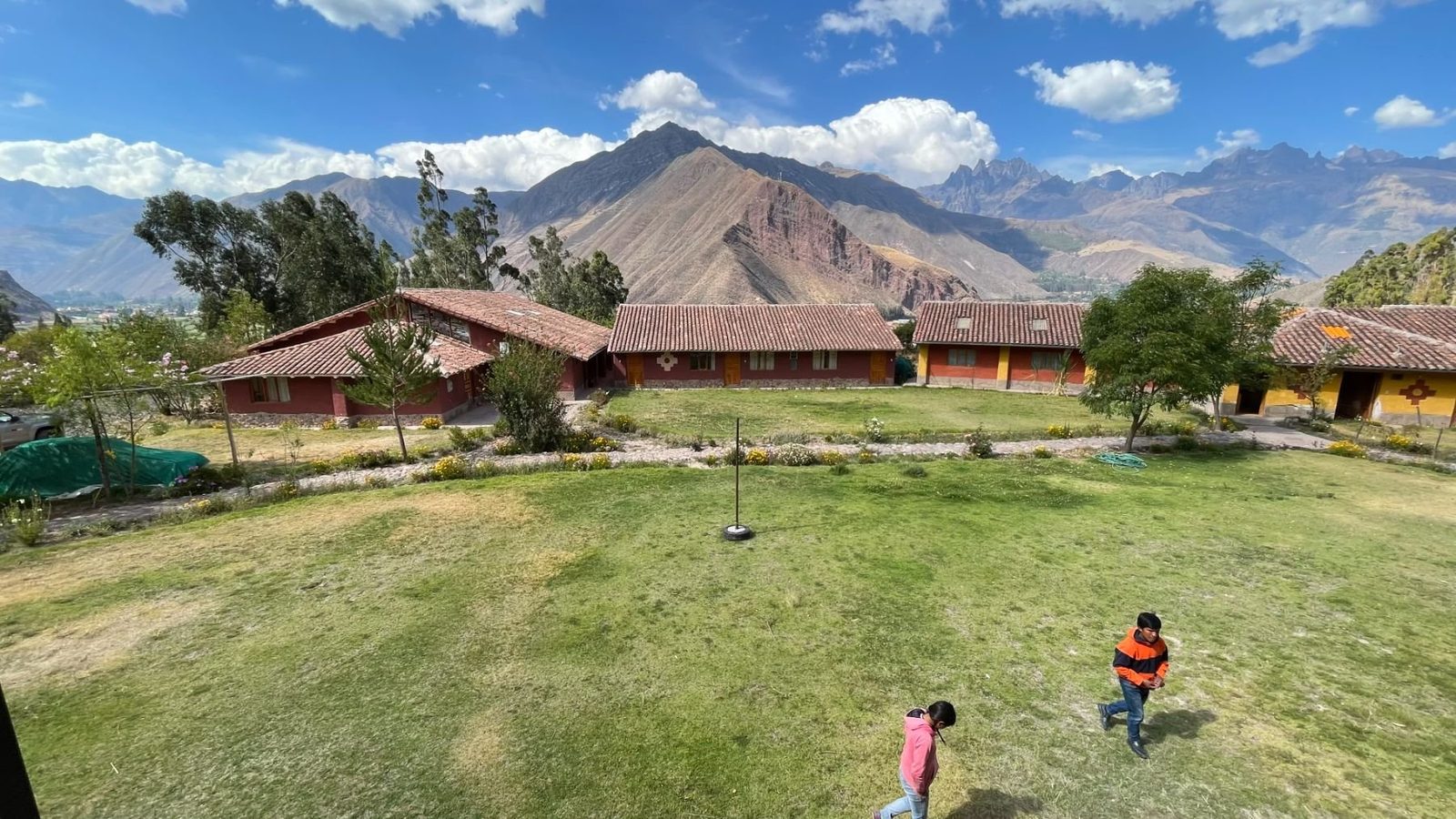
We worked alongside Leo and Eunice at Casa Girasol, the family-run children’s home in Huayllabamba, in the Sacred Valley. Together with local builders we rebuilt rooms and bathrooms, commissioned designs from World By Hand and Jaskani, and planned a food forest with Food Forest Abundance.
It showed us that the children’s biggest gap was education. Many arrived too far behind to keep up in public school.
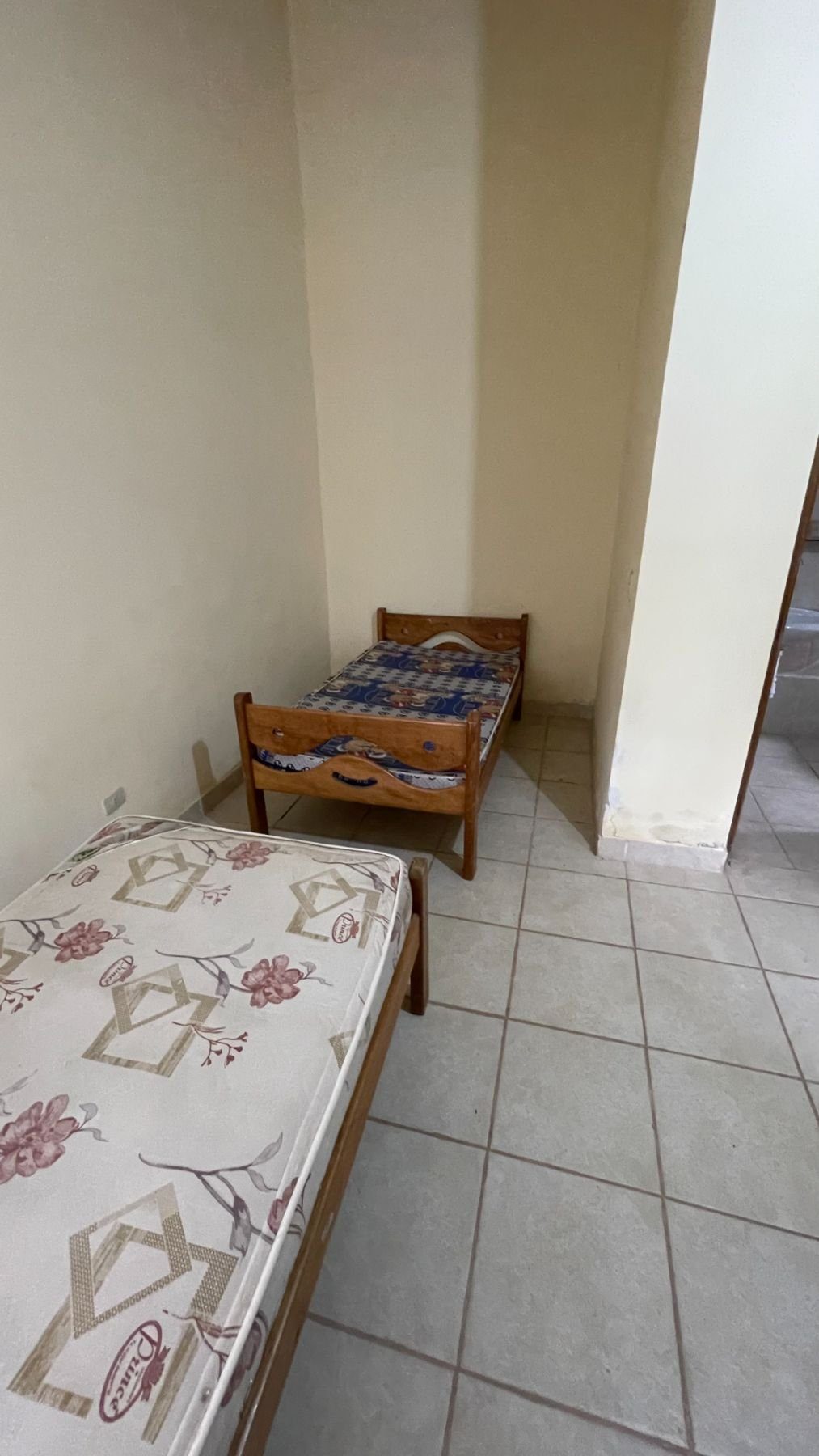
The home as we found it, 2023.
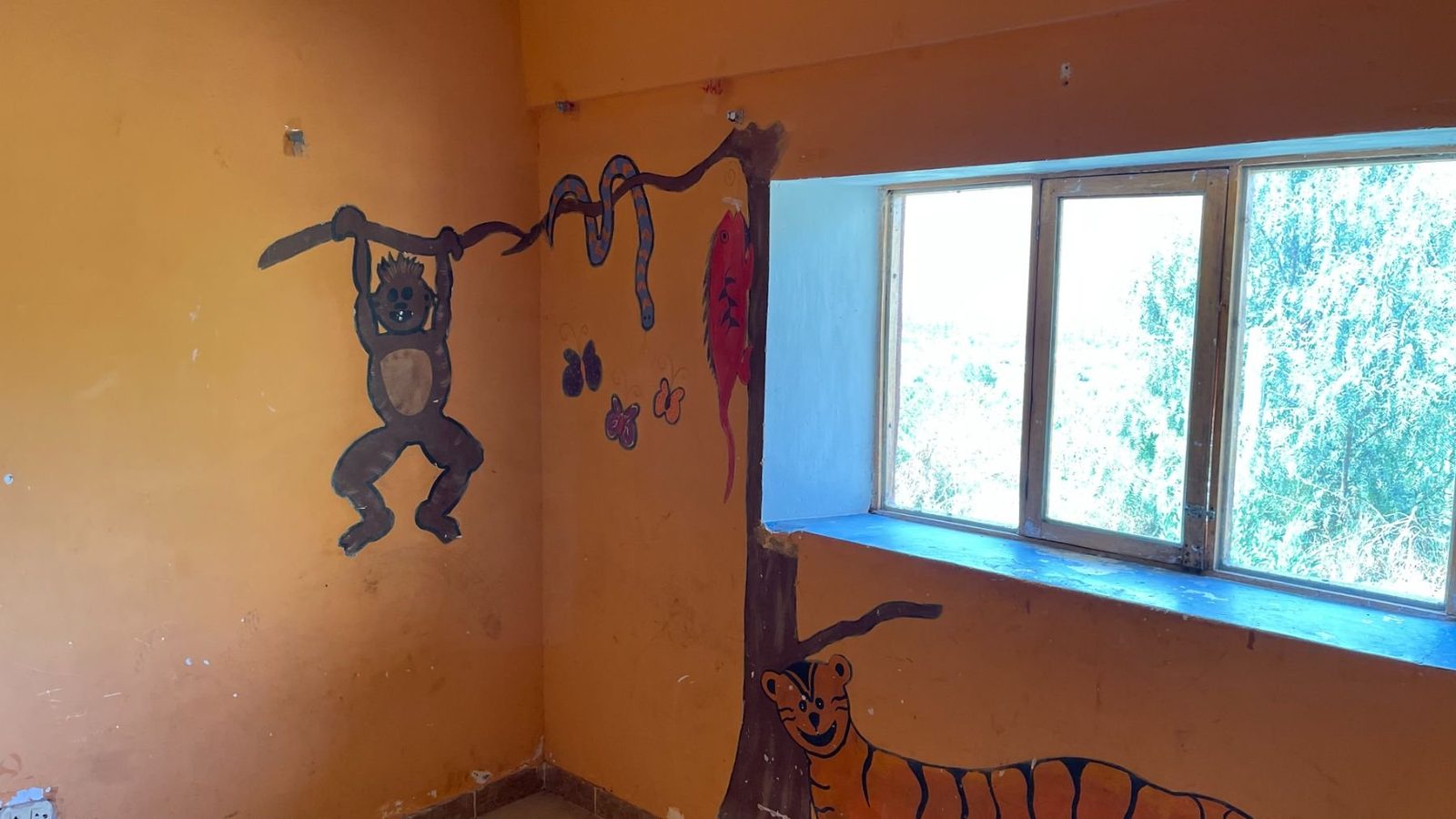
Photo to come: the build
Photo to come: the build
Photo to come: what we built
Photo to come: what we built
The rebuild, with local builders.
What we learned
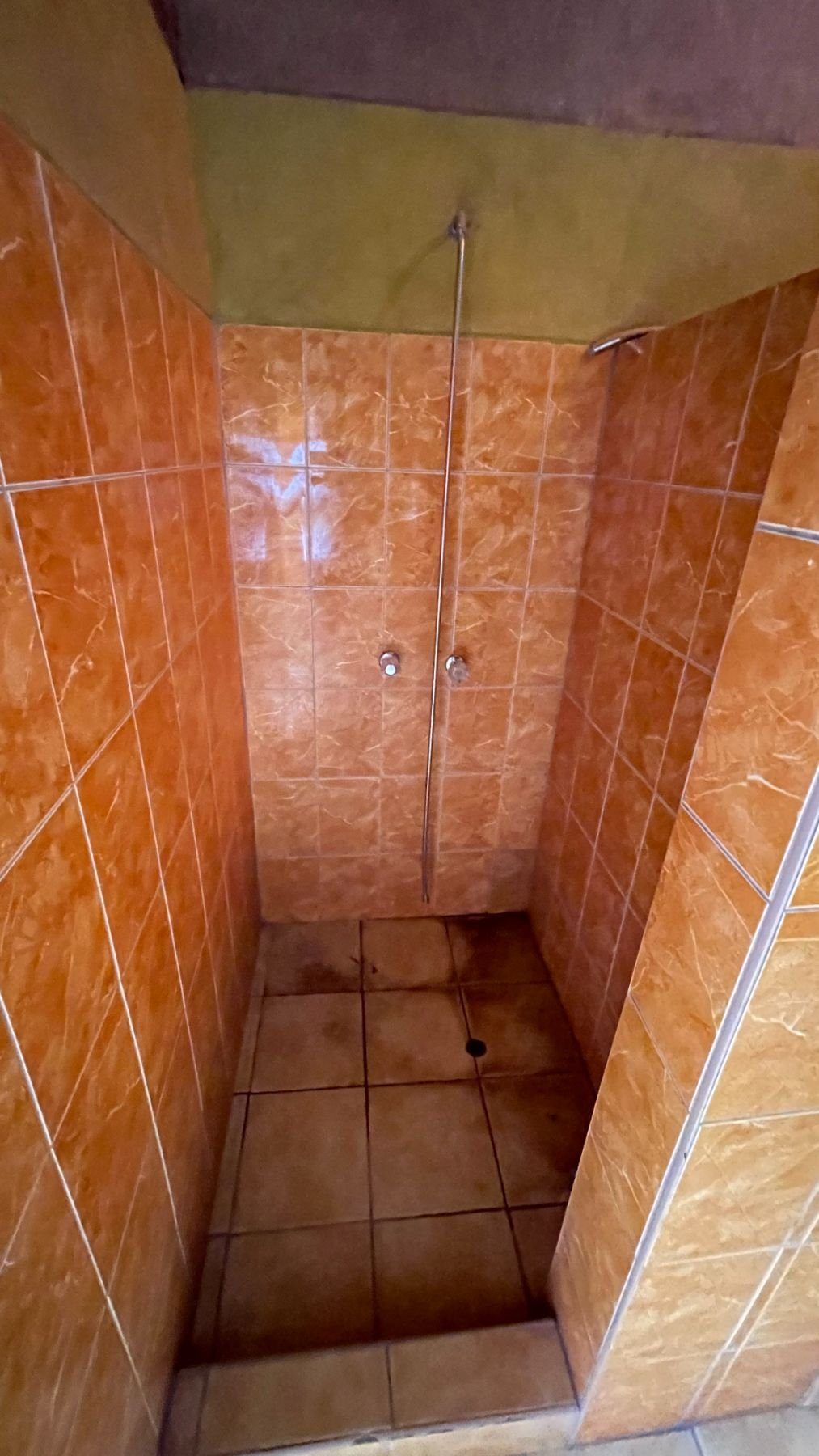
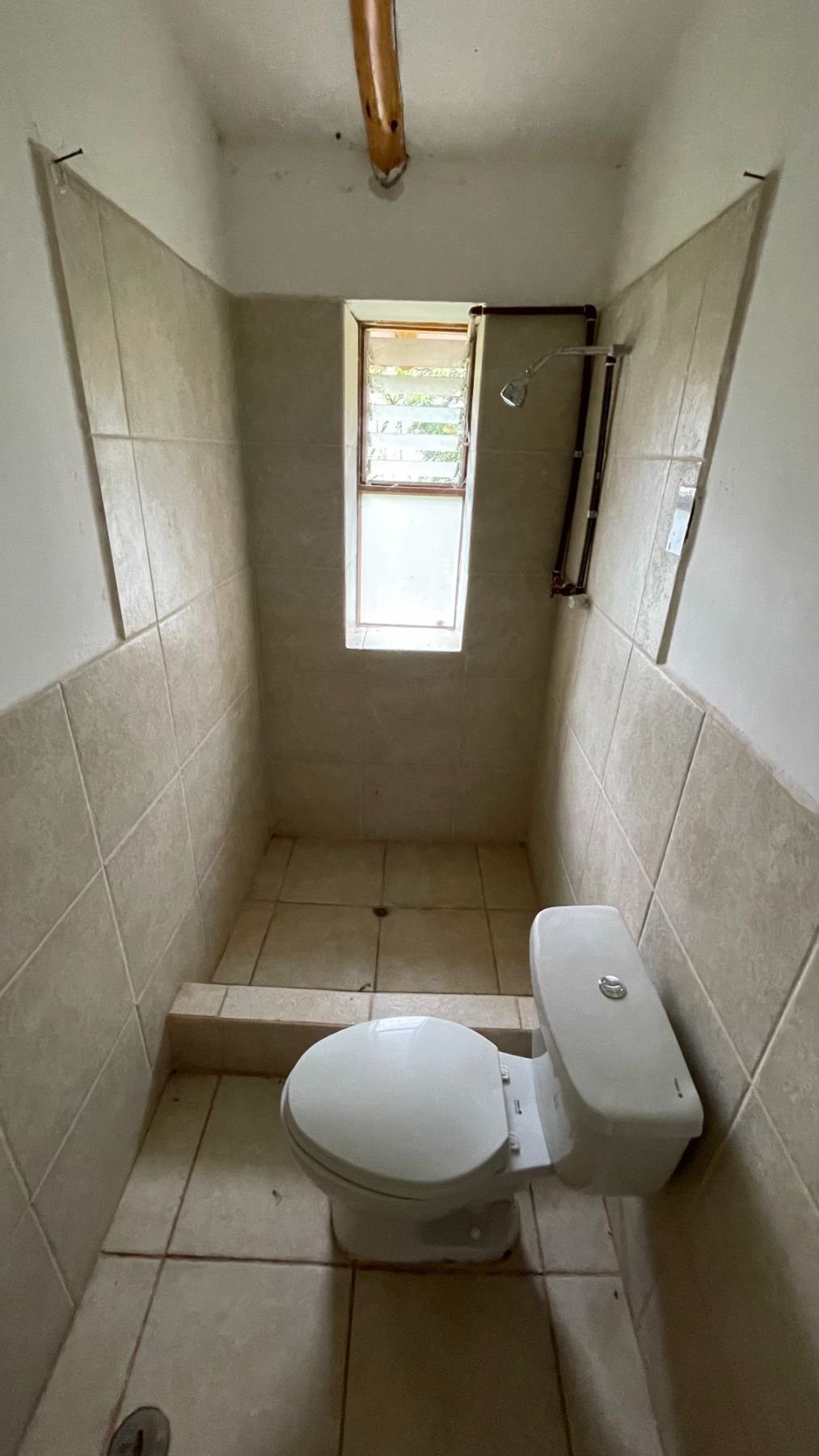
Small, finished things matter most. A dry room and a working shower changed more, faster, than any master plan.
What we learned
The rules shape the work. When regulations changed, the home could care for 10 children instead of 30–40. We now plan around the law from day one.
What we learned
Good care costs about $375 per child per month. Whatever funds an Awesomage has to meet that.
2El Salvador2023–2025
At Finca Las Marías we explored a different idea: a small resort on the same land whose income would pay for the children. With Amate we surveyed the site, drew a master plan and costed it in detail.
It taught us that a child’s care shouldn’t depend on a good tourist season, and that it’s better to start small and grow than to build big first.