ENES Get in touch
Starting now El Salvador, again · October 2026

We’re not waiting for the perfect plan.

We’re opening a free after-school club on a small seafront plot in Puerto de La Libertad, El Salvador: a safe, warm place for the children who most need somewhere to go when the school day ends.

Help us open the first clubEvery dollar goes to the club · via GoFundMe · where it goes
Donate
Follow the buildOne email when something real happens: permits, the first classroom, opening day.
Your donation pays for four things:
  1. Level and clear the land
  2. Build the classrooms
  3. Write the curriculum
  4. Hire the teachers
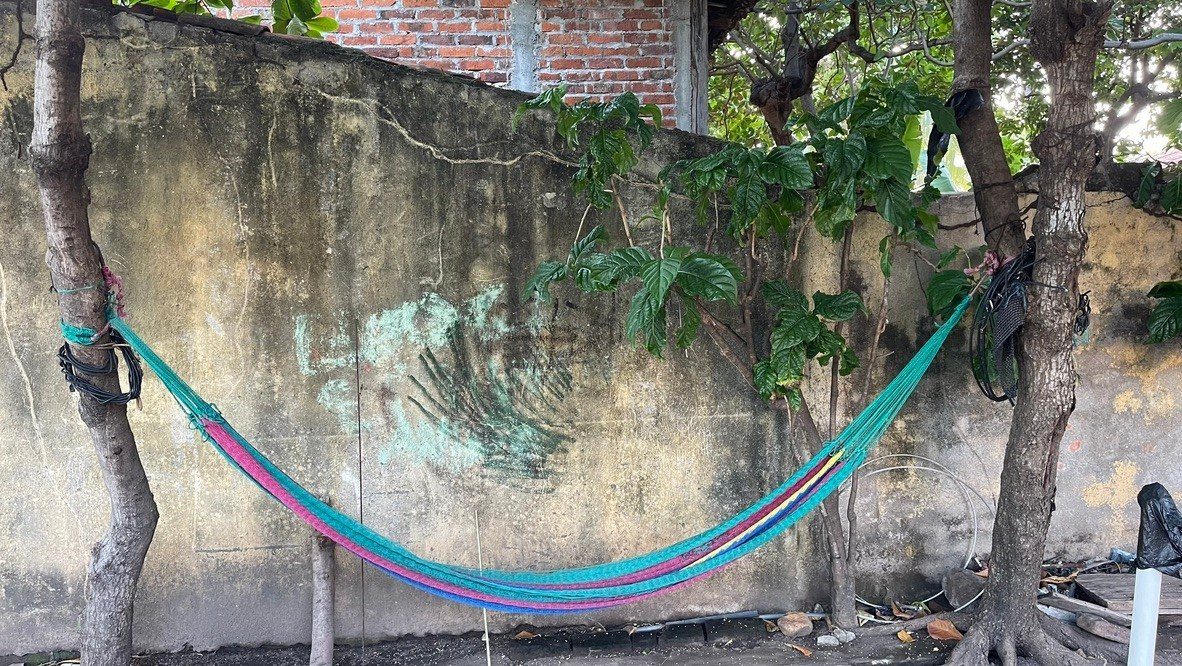
A striped hammock strung between two trees against an old painted wall
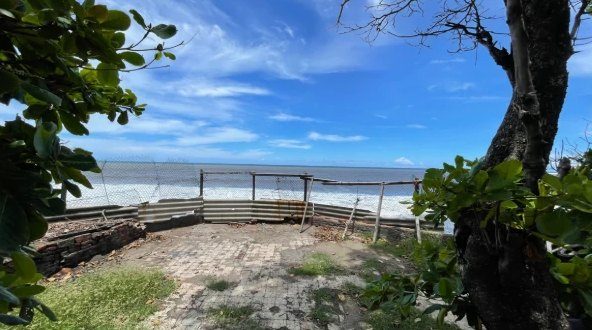
The Pacific beyond a low fence, at the far end of the land
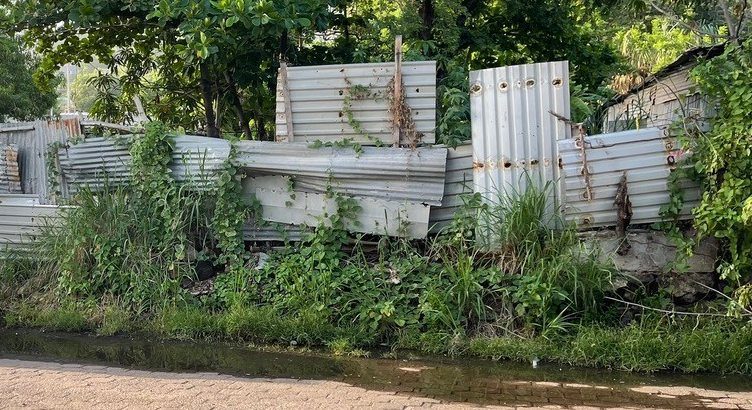
An overgrown boundary of old corrugated sheets
Somewhere to rest, already strung up between two trees.The sea at the end of the land, and the boundary we need to secure.
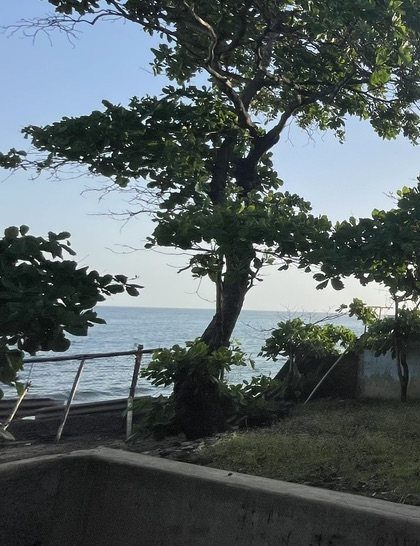
The edge of the old pool, with trees and the sea beyond
The old pool: a hazard today, a sunken garden next.
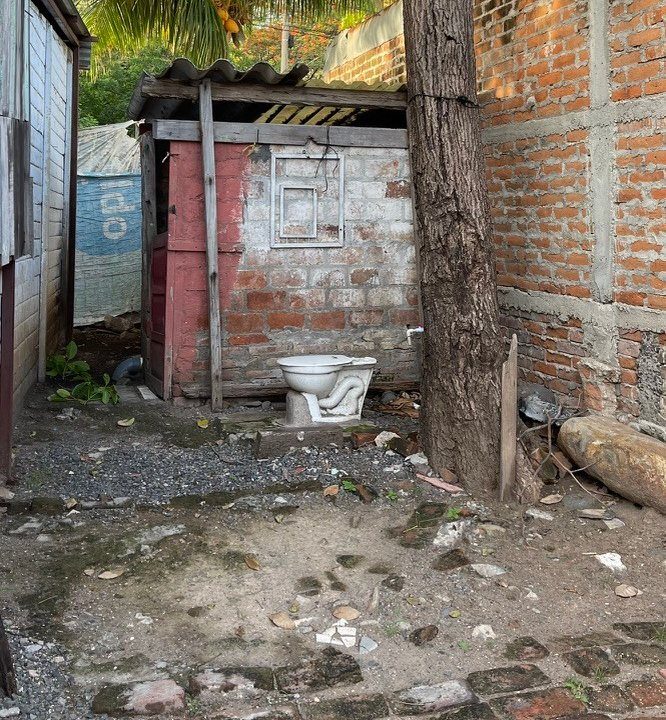
A small brick outhouse with an old toilet, under a palm
The toilets we’ll repair first.
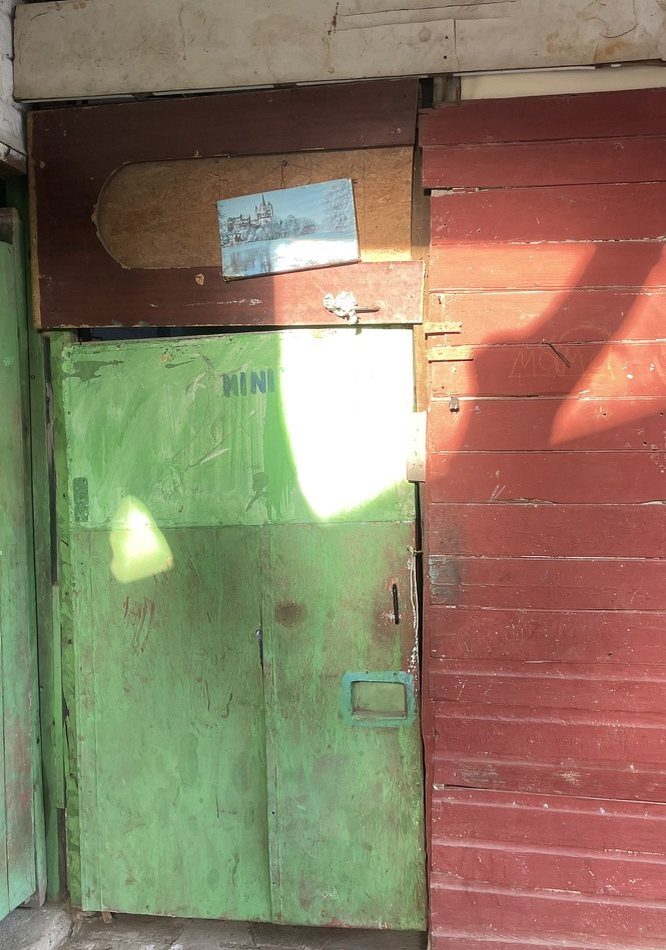
A worn green door beside red painted boards
The old building we can repair.
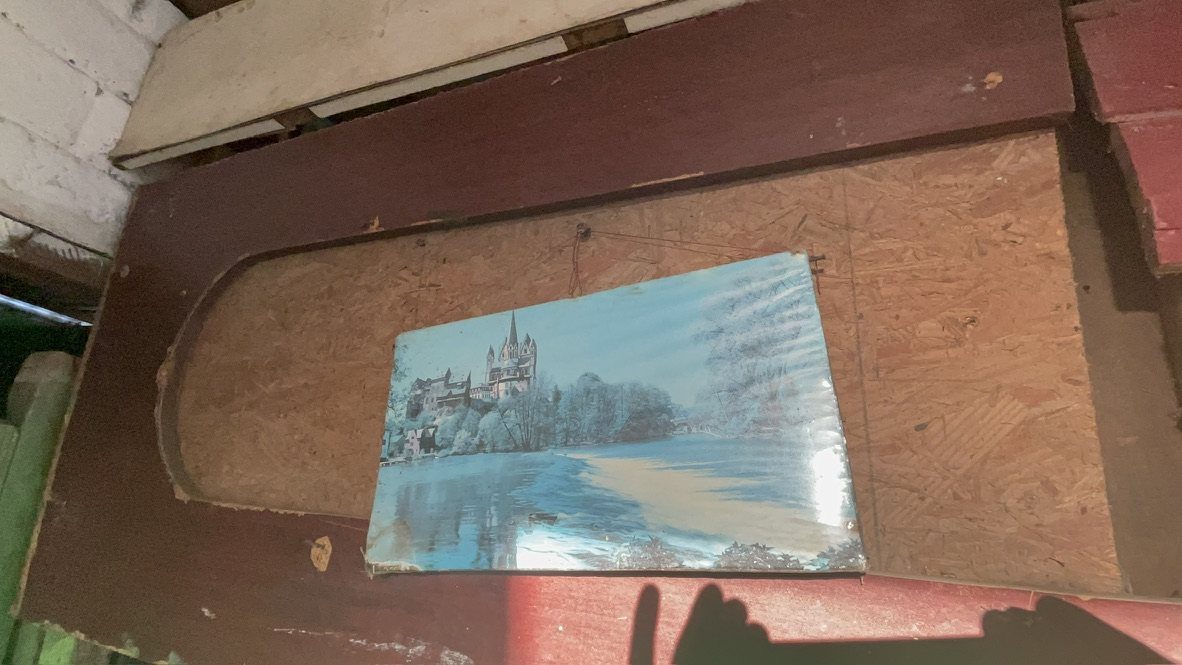
A faded picture of a snowy castle, pinned to a board
Found inside: a snowy castle, a long way from the tropics.
→After-school club concept

An abandoned seafront plot, turned into a garden classroom.

The plot on Calle El Obispo in Puerto de La Libertad has stood empty for several years. The old building is falling apart, the pool is a hazard and the garden has gone wild. James’s family is lending it to the club free for 12 months.

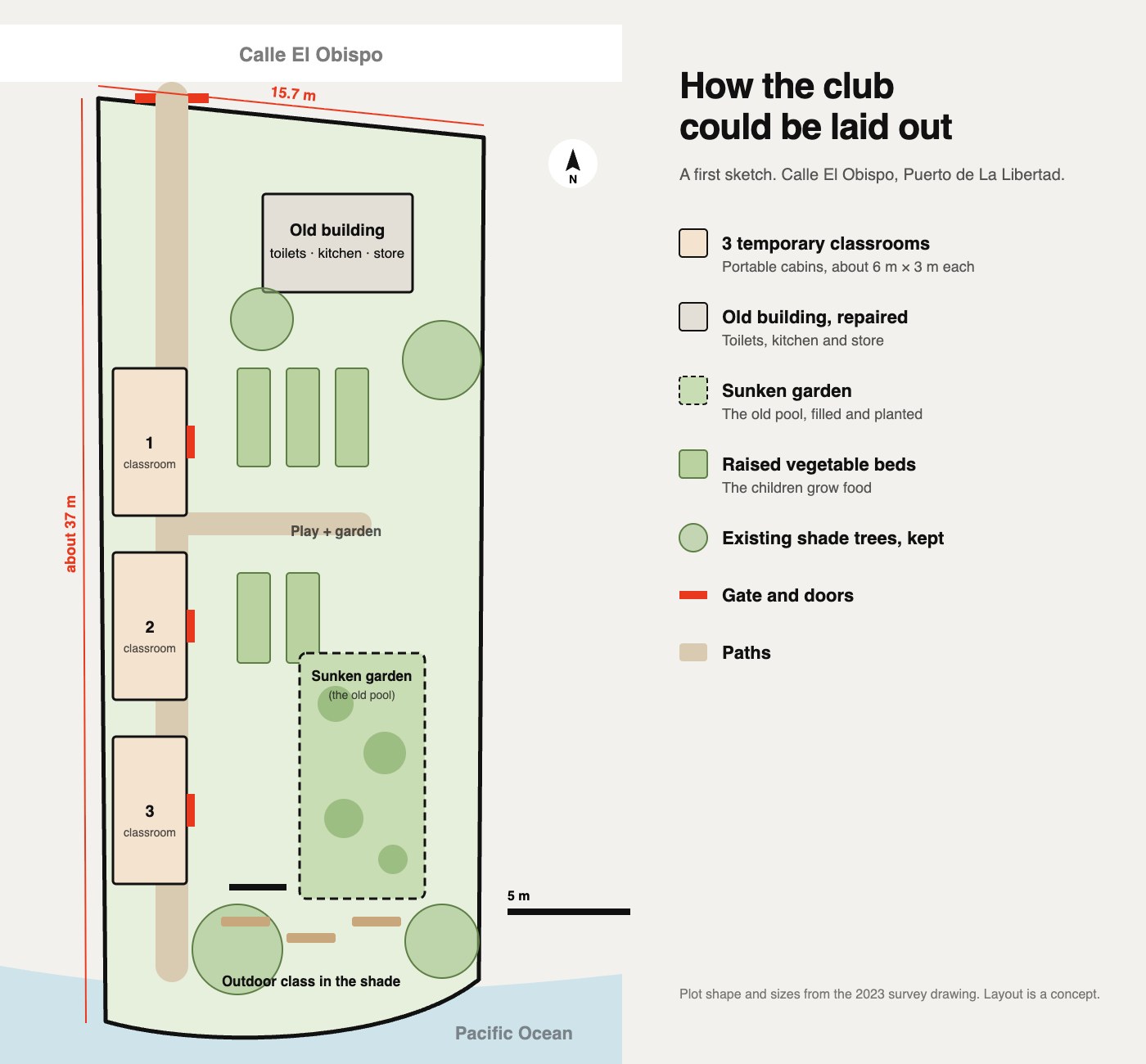
Our plan is to clear it, make it safe and bring in three temporary classrooms, so we can open in months, not years. The old building becomes toilets, a kitchen and a store. The pool becomes a sunken garden. The big trees stay, and the rest becomes a nature garden the children help to grow.

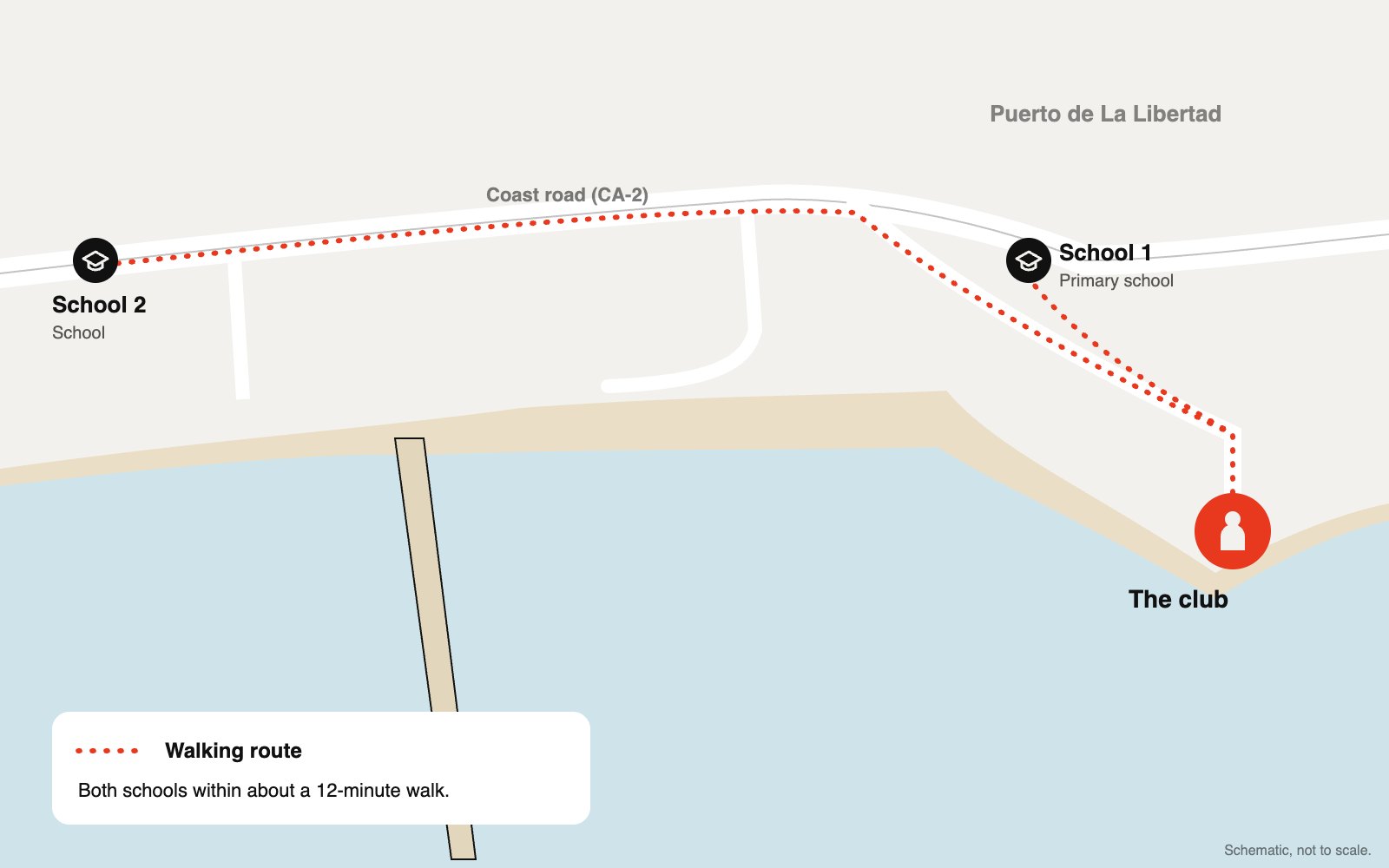
Why here. Two schools are within about a 12-minute walk, and they’ve told us they need after-school care. The land costs the club nothing, so every dollar donated goes into the club itself.

Why temporary. This is a beta site. We’re testing a curriculum, a format and a layout, and measuring the results, so we can repeat them anywhere. Temporary classrooms let us start in months, change what doesn’t work, and move on to permanent sites once the model is proven.
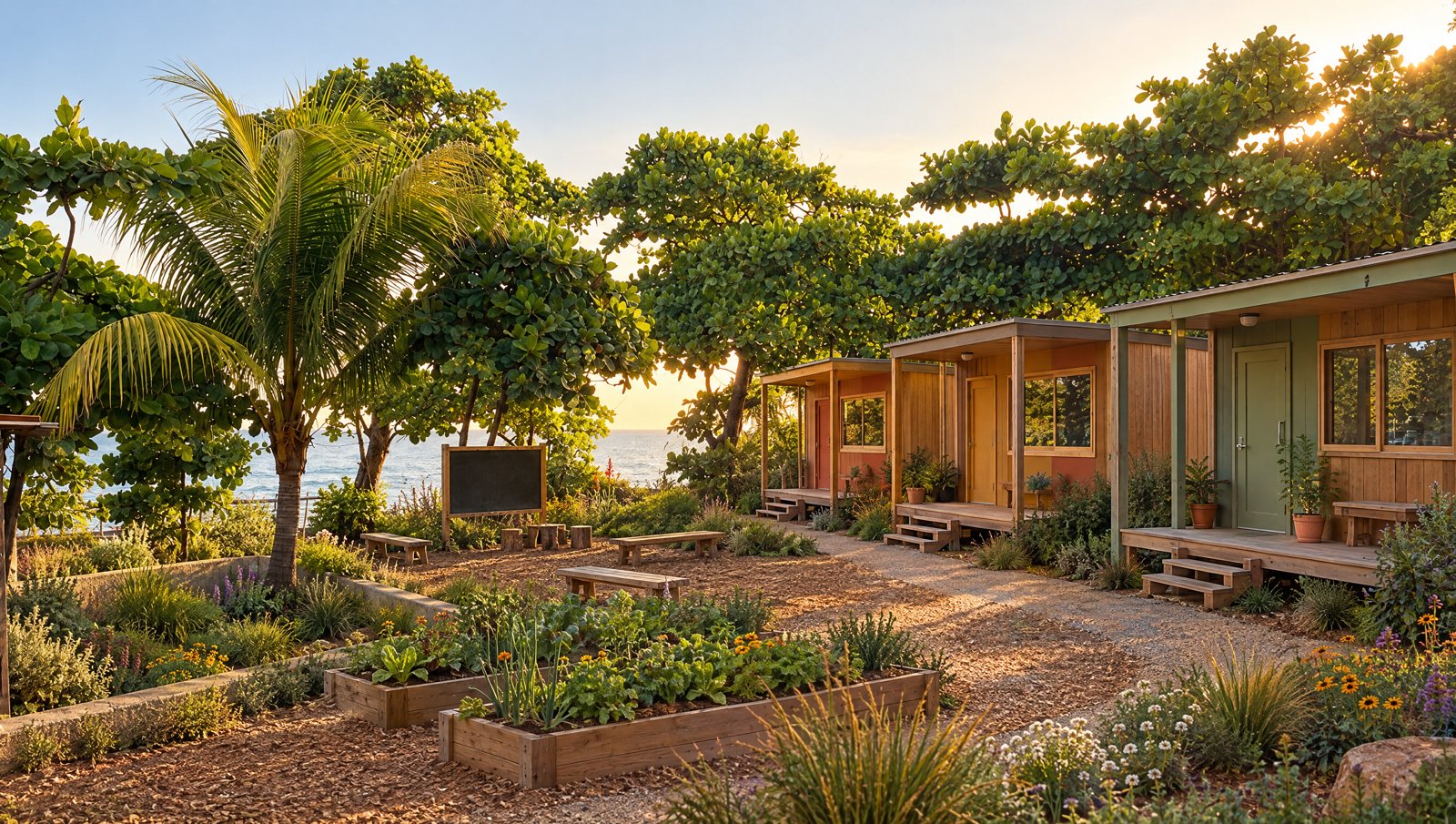
Concept image: three small timber classroom cabins in a garden of raised vegetable beds under big shade trees, with the sea beyond
How it could look: three temporary classrooms and a nature garden. A concept image, not a photo.
Plan of the plot: three classrooms along the west wall, the old building for toilets and kitchen, raised beds, the old pool as a sunken garden, and an outdoor class by the sea
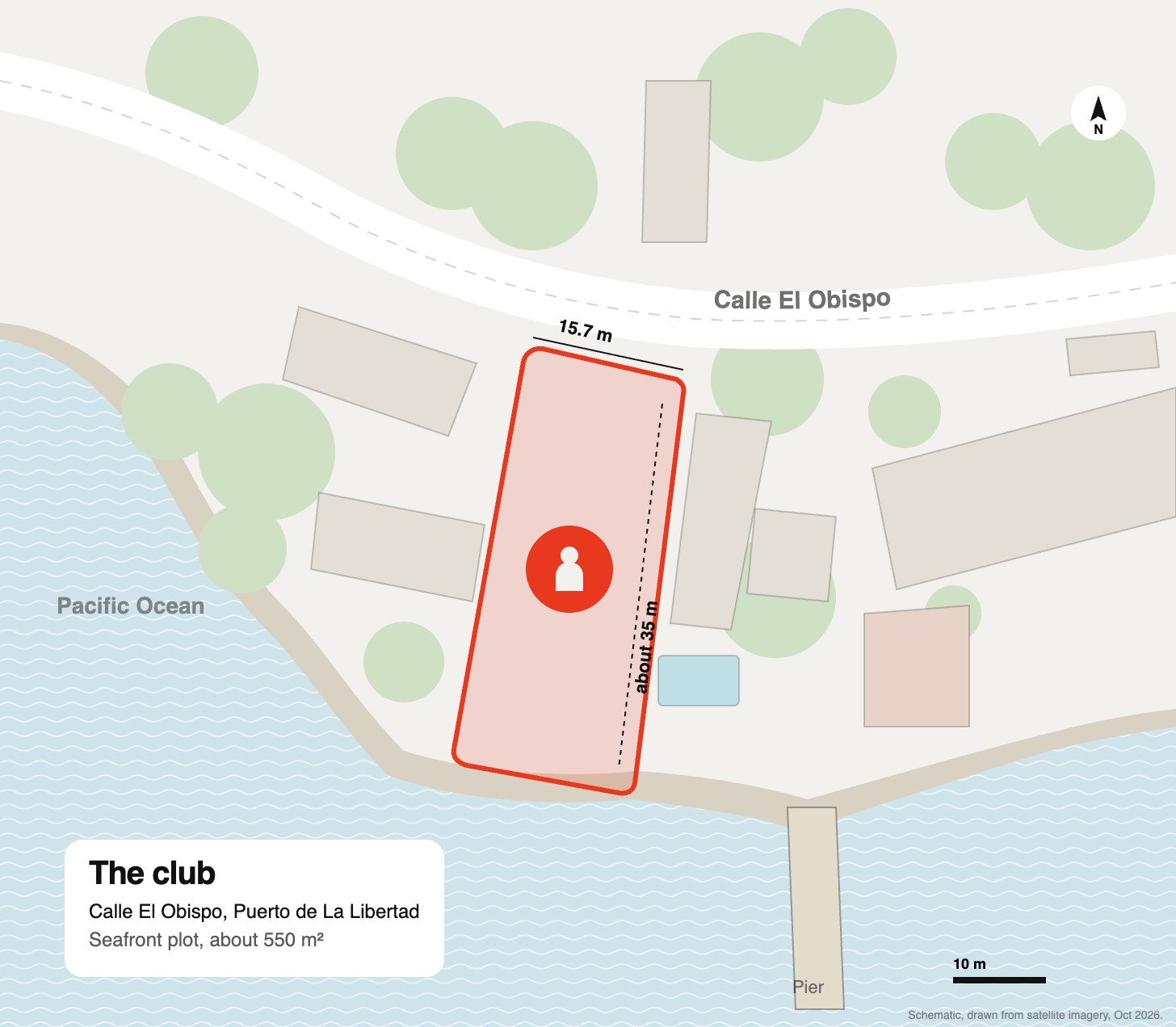
How the plot could be laid out. About 15.7 m wide and 35 m deep.
Map of the plot on Calle El Obispo, between the street and the sea
The plot, between Calle El Obispo and the sea.
Map of Puerto de La Libertad showing the club on the seafront and the walking routes to two schools
Calle El Obispo, Puerto de La Libertad. Two schools within about a 12-minute walk.

About the land

The plot belongs to James’s family. The family is giving it to Awesomage free for the next 12 months, to run the club. There’s no rent, no fee and no charge of any kind.

Why we did it this way. The plot had been standing empty, two schools a 12-minute walk away had asked for after-school care, and lending land we already have was the fastest way to start. It also means every dollar donated goes to the club itself: the classrooms, the teachers, the meals and the materials, never to rent.

How it works. This first club is a beta: a test of the model, not the finished thing. The club uses the whole plot for 12 months, in temporary classrooms that can be moved, so nothing is tied to the land. What we’re really building is the curriculum, the daily format and the layout, and the proof that it works. Once it runs well, we’ll look for permanent sites in La Libertad, elsewhere in El Salvador and in other countries.

01What it is

After school, somewhere safe to go.

Children go to their normal school in the day. When it ends, the ones with nowhere safe to be come to us, and stay until a parent, grandparent or carer can collect them.

While they’re with us they eat, play and learn: a more holistic, open-minded kind of learning that helps each child find and grow what they’re good at. It’s free, and it’s all in Spanish.

1
Somewhere safe
A fenced, supervised place to be between the end of school and the end of a carer’s working day.
2
Something to eat
A proper snack or meal every afternoon. For some children it may be the one they can count on.
3
Learning that grows gifts
Play, nature, making and asking questions, built from a curriculum an experienced educator is adapting for us.
4
Grown-ups who notice
Local teachers and mentors who know each child by name, and can spot when something is wrong at home.
02Why here, why now

It is much easier to show people than to tell them.

The land is ready
A small seafront plot on Calle El Obispo in Puerto de La Libertad, lent free by James’s family for the next 12 months. Flat ground, trees, running water and an old building we can repair.
The schools want it
We’ve met the local schools. There are several close by, and they have told us they need after-school care.
It’s affordable to start
Local costs are low enough that we can pay for the first team ourselves while we raise the rest.
A real place changes minds
“Come and see what we do” works better than any pitch. A working pilot gives funders, governments and partners something to visit.
03How it will work

Six steps, as light and temporary as we can make them.

Nothing permanent until we know what works. Temporary classrooms let us start in months, not years, and change our minds without tearing anything down.

1
Visit the land and the schools
A first trip with our education lead to walk the site, meet the schools again and agree what the club should offer.
Now
2
Make the site safe
Clear the ground, secure the boundary, repair the toilets. The old swimming pool is a hazard today; we’ll fill and plant it as a sunken garden the children can grow food in.
Next
3
Bring in temporary classrooms
Three or four modular cabins with power and plumbing built in. Temporary structures let us open without waiting years for building permits. We’re pricing cabins against converted containers.
Next
4
Find the local team
A local operator, teachers and mentors who speak Spanish and live nearby. Safeguarding policy, checks and training first.
Next
5
Open the doors after school
Free for the children who most need somewhere to go, chosen with the schools. A curriculum in Spanish, a meal, and adults who stay until a carer arrives.
Then
6
Measure everything, then share it
What it cost to set up. What it costs to run. How many children came, and what changed for them. That becomes a model we can take to governments and funders, and to the next town.
6–12 months
04What we have, and what we don’t
We have5
Land lent free by James’s family for 12 months
Schools nearby that have asked for after-school care
An experienced educator adapting a curriculum, in Spanish
An architect who works with local and indigenous communities, keen to help
Family and trades people locally who can help us build
We need to find out6
Which permits temporary classrooms need
Modular cabins or converted shipping containers: which is cheaper and cooler in the heat
Whether local food programmes can cover snacks and meals
Who will run it day to day
How children are referred, and by whom
What a year really costs to run
05Follow the build

We’ll film it all, mistakes included.

Short videos from every stage: clearing the land, the first classroom arriving, the first afternoon. Collected in one playlist, with a QR code on the gate so anyone passing can follow along too. We’ll never show a child’s face without their family’s consent.

Episode list
1First visit: the land and the schools
2Clearing the site
3The pool becomes a garden
4The first classroom arrives
5Opening afternoon
06Designing the afternoon

Short, complete activities, so every visit counts.

Children won’t all arrive at the same time or stay for the same length of time. One might come for an hour, another for three. So instead of one long lesson, we’re planning a set of short activities, 20 to 30 minutes each, that a child can start and finish in one go.

Each activity has its own corner of the plot and its own grown-up. When the bell rings, the groups move on to the next one. The idea came from a childcare professional, and we love it: a child who stays an hour still finishes two or three things.

The stations
W
At the gate
Welcome
Sign in, water, a snack, a book. Children who arrive mid-round wait here and join at the next bell.
1
Classroom 1
Making
Craft, building and drawing.
2
Classroom 2
Asking questions
A lesson from our curriculum, in Spanish.
3
Classroom 3
Quiet time
Reading, or help with homework.
4
Raised beds
Nature
Plant, water, harvest.
5
Sunken garden
Nature
Look, find, name and draw.
6
Outdoor class by the sea
Play
Games and movement, in the shade.

The areas match the plan of the plot above. What goes in each one is still being designed.

One afternoon, step by step
3:05Arrives from school. Signs in at the gate, gets water and a snack.
3:20Bell. Joins a group at the raised beds and plants seedlings.
3:40Bell. Moves to a classroom for a lesson.
4:00Bell. Down to the sea for a game in the shade.
4:20A grown-up collects them at the gate. Three things finished.

An example. Real times will follow the school timetable.

What every activity needs
It starts and finishes inside 20 minutes, and ends with something to show: a thing made, a seed planted, a question answered.
It doesn’t depend on last time. A child may only come once a week.
It works for ages 6 to 12, with an easier and a harder version.
One grown-up can run it, in Spanish, without a screen.
It can be reset in two minutes for the next group.
We’ll start small.

One grown-up per station adds up fast: six stations and the gate means seven adults every afternoon. So we expect to open with three stations, and add more as more children come.

Two rules from day one: no adult is ever alone with one child, and the person at the gate always knows where every group is.

Help us decide.

These are the questions we’re still answering. Vote, or tell us what you think. Your answers come straight to our team. We don’t publish them.

20 minutes or 30 for each activity?

Shorter suits a short visit. Longer leaves room for a deeper lesson.

Add your thoughts →

A fixed loop, or let each child choose where to go next?

A loop is simpler to run. Choosing gives children a say.

Add your thoughts →

Group children by age, or mix the ages?

Older children can help younger ones. Same-age groups can go further.

Add your thoughts →

If the local schools teach in two shifts, should the club open in the mornings too?

Children on the afternoon shift are free in the morning.

Add your thoughts →

How many children should one grown-up look after at each station?
Add your thoughts →

Which kinds of learning work in 20 minutes, and which need longer?
Add your thoughts →

What would you put in a 20-minute station?
Add your thoughts →

07How we got here

We are still learning the best way to do this. We will keep trying until we get it right.

Every attempt so far has taught us something, and the people we met along the way shaped every page of this document. Here is where we have been.
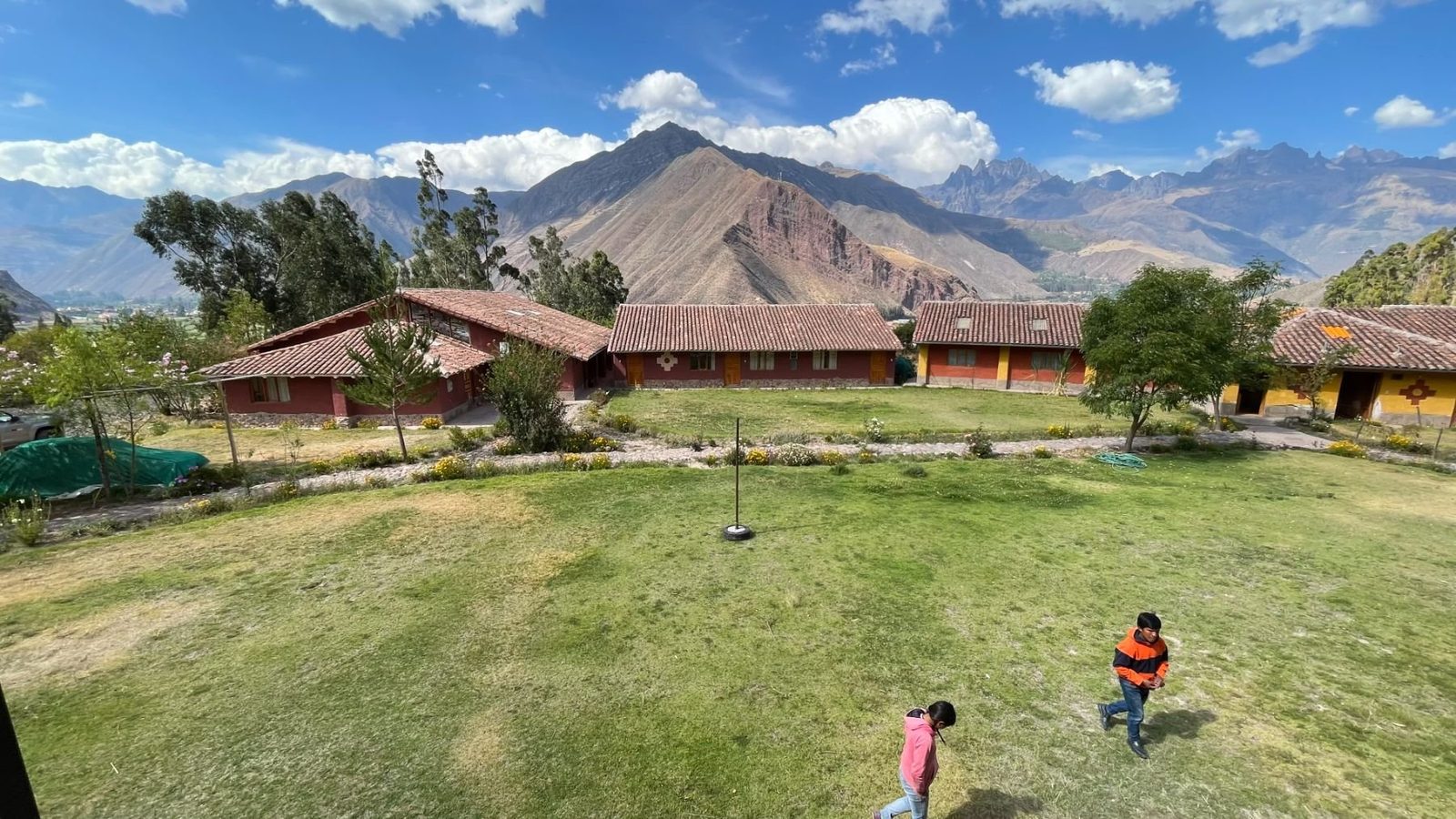
1Peru2023–2025
Casa Girasol and the Andes

We worked alongside Leo and Eunice at Casa Girasol, the family-run children’s home in Huayllabamba, in the Sacred Valley. Together with local builders we rebuilt rooms and bathrooms, commissioned designs from World By Hand and Jaskani, and planned a food forest with Food Forest Abundance.

It showed us that the children’s biggest gap was education. Many arrived too far behind to keep up in public school.
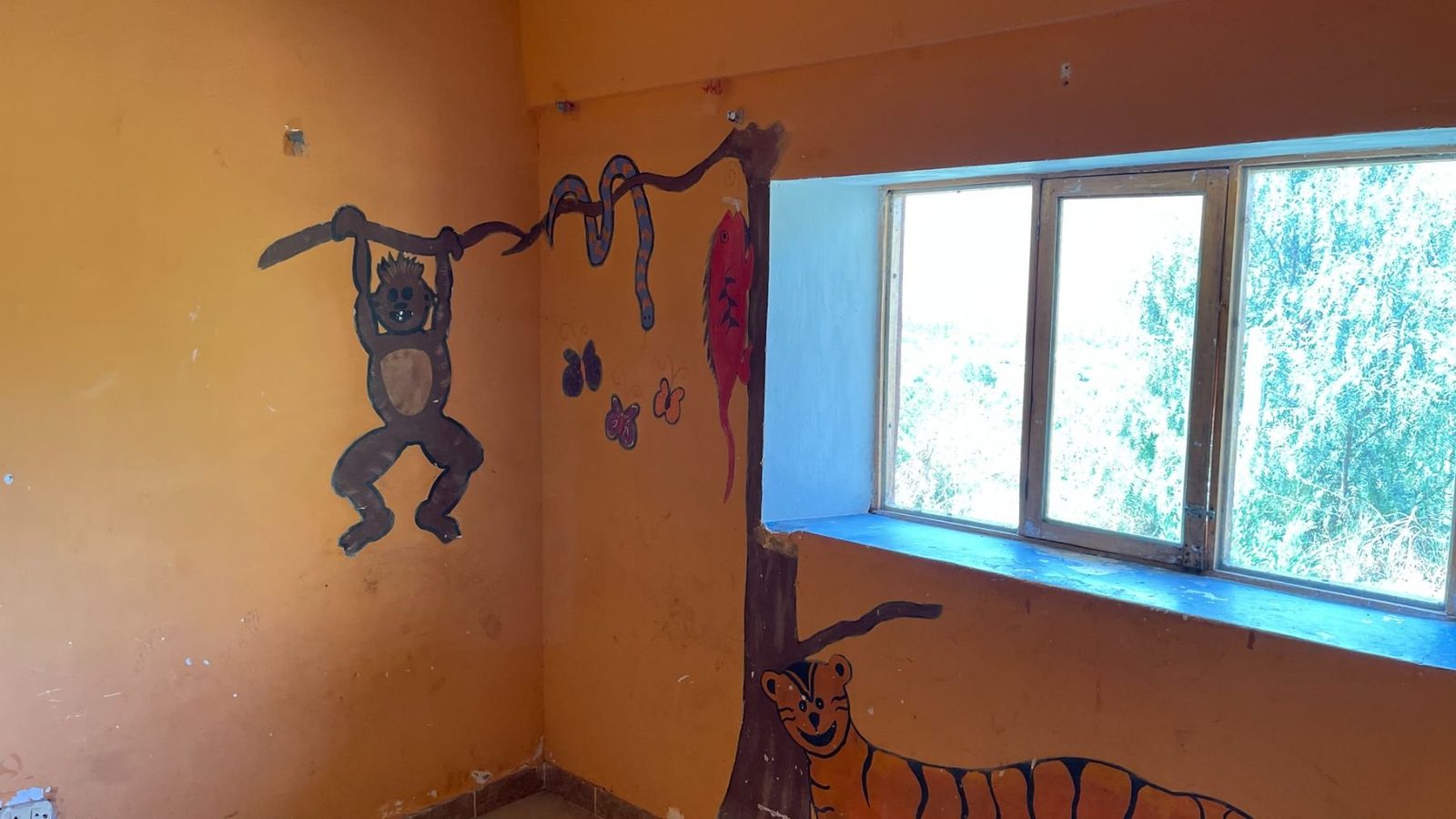
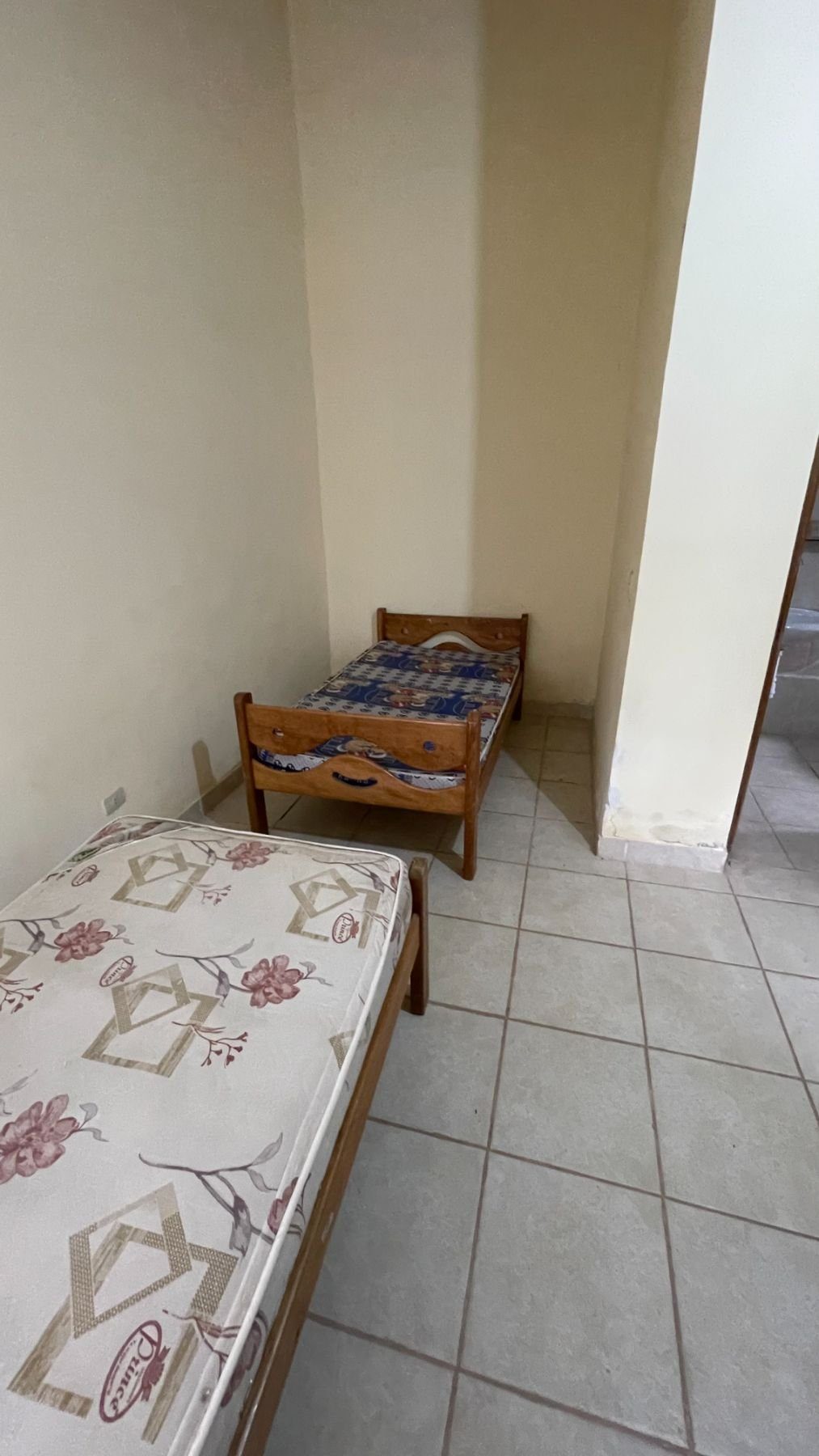
Casa Girasol before the rebuildCasa Girasol before the rebuildCasa Girasol before the rebuildCasa Girasol before the rebuild
The home as we found it, 2023.
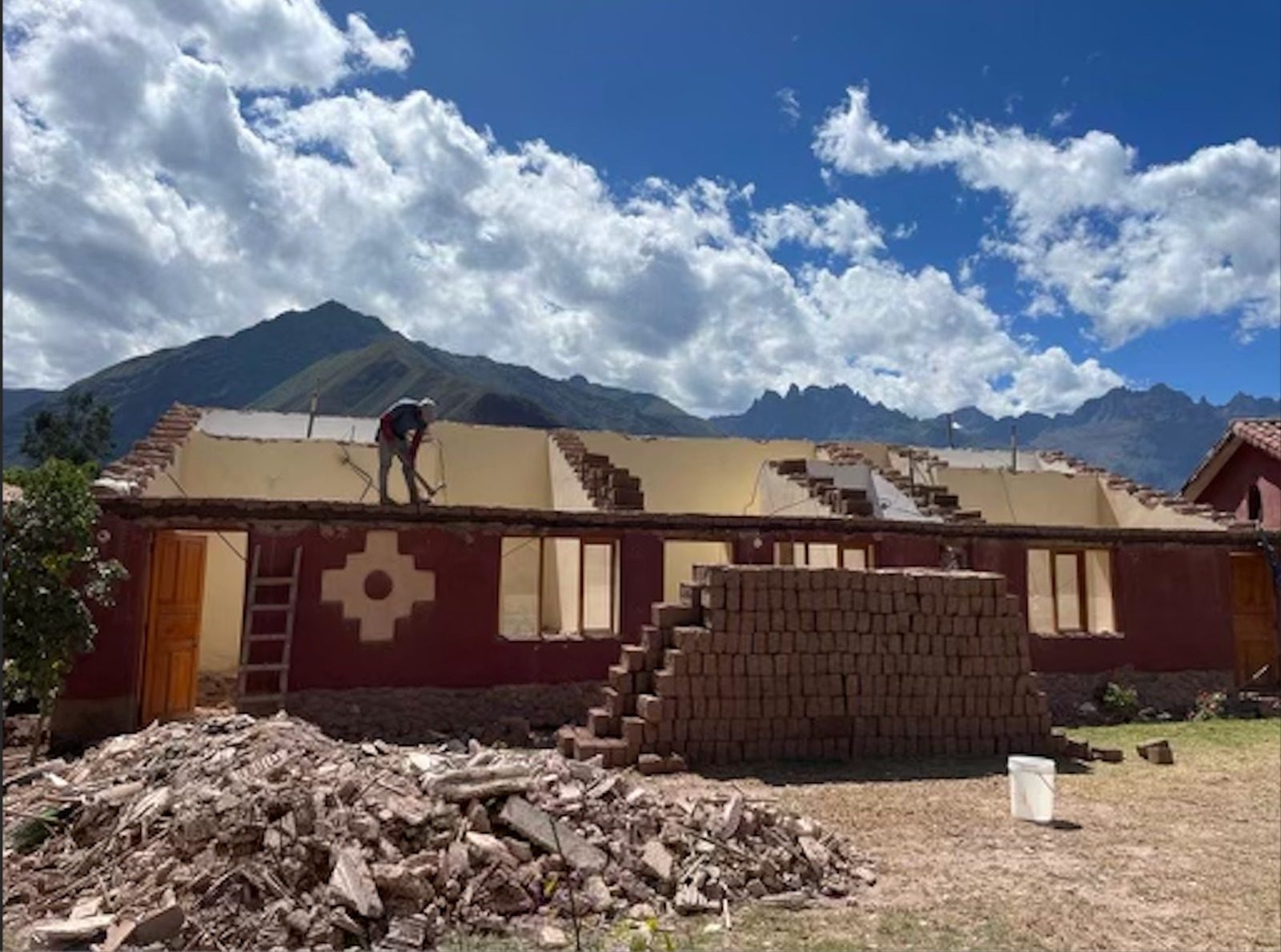
Builders raising the roof of a long adobe building
Raising the roof to let in more light. May 2023.
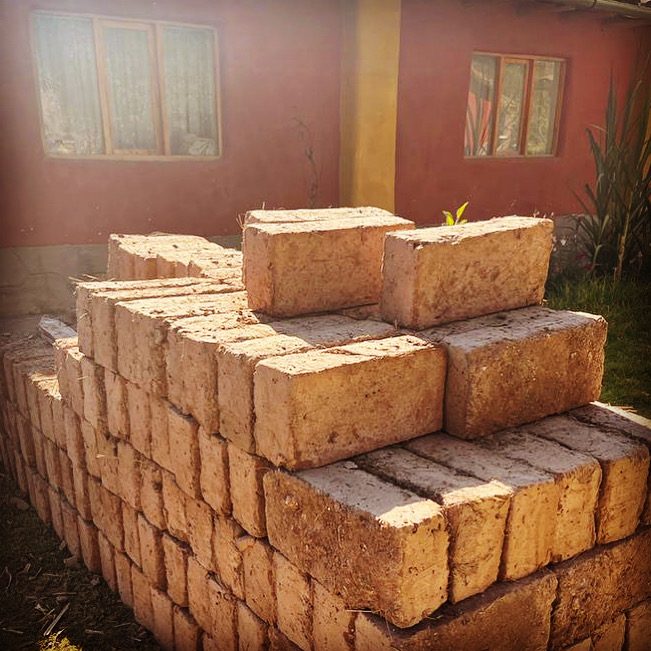
A stack of handmade adobe bricks
Adobe bricks, made from local earth. June 2023.
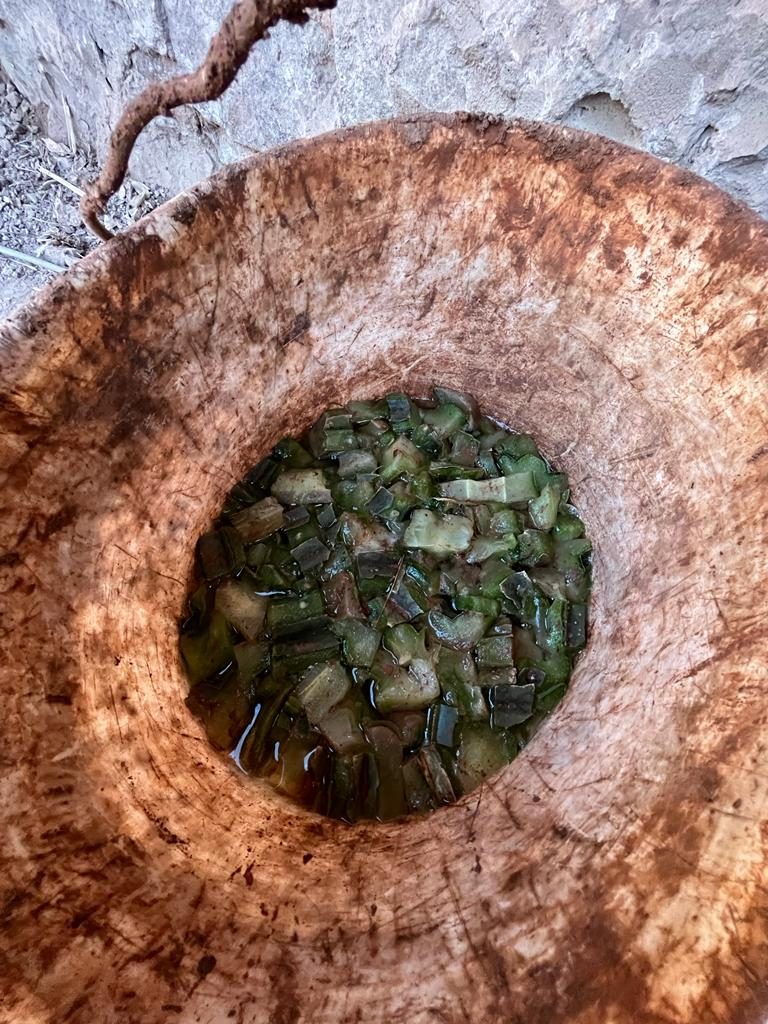
Cactus pieces soaking in a tub of water
Cactus binds the mud wall coverings, a traditional technique. July 2023.
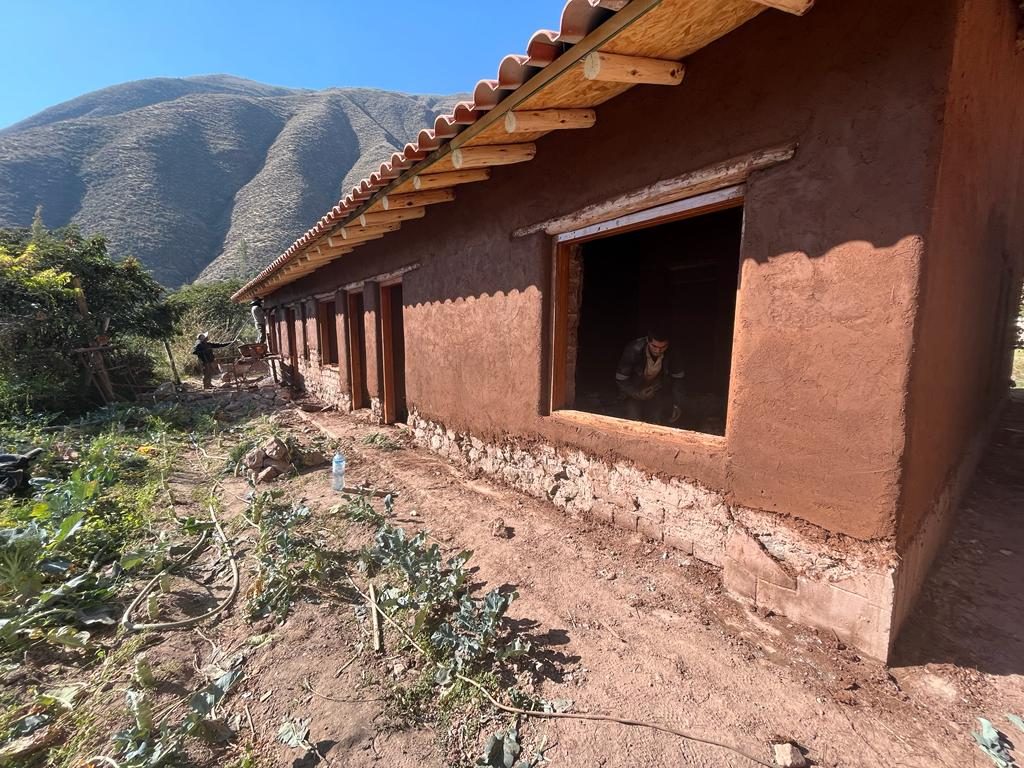
Freshly rendered mud walls under a tiled roof, mountains behind
New mud walls under the old roof. July 2023.
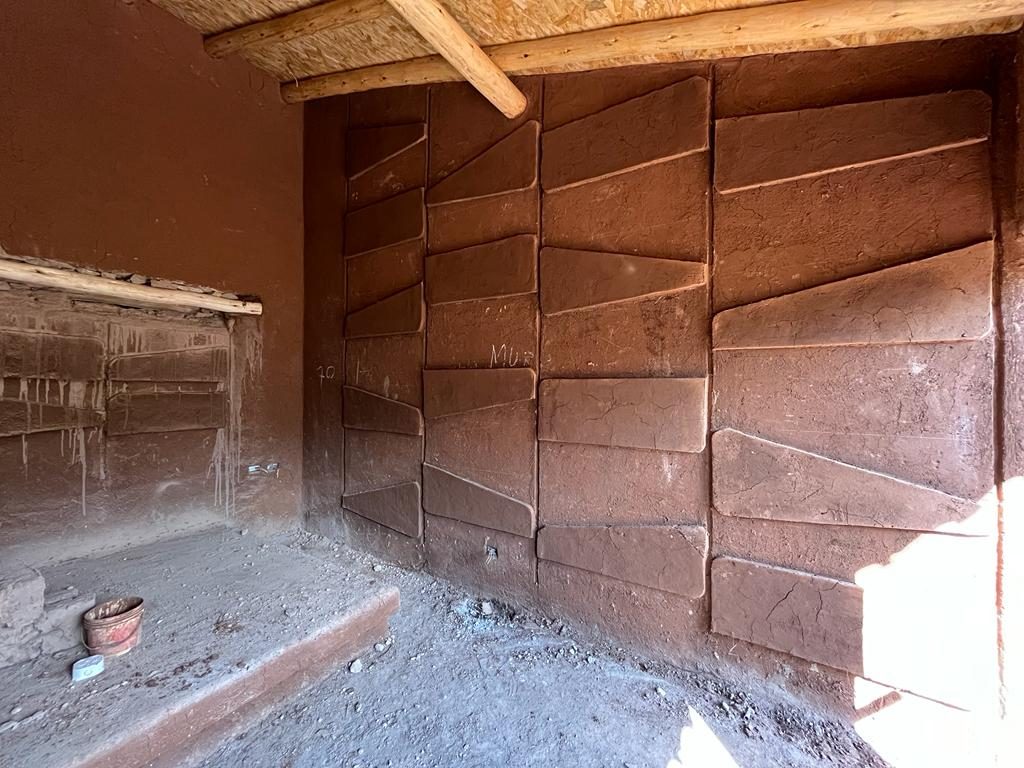
A carved earth wall with angled panels
Wall designs, made real by our master craftsman, Valerio. August 2023.
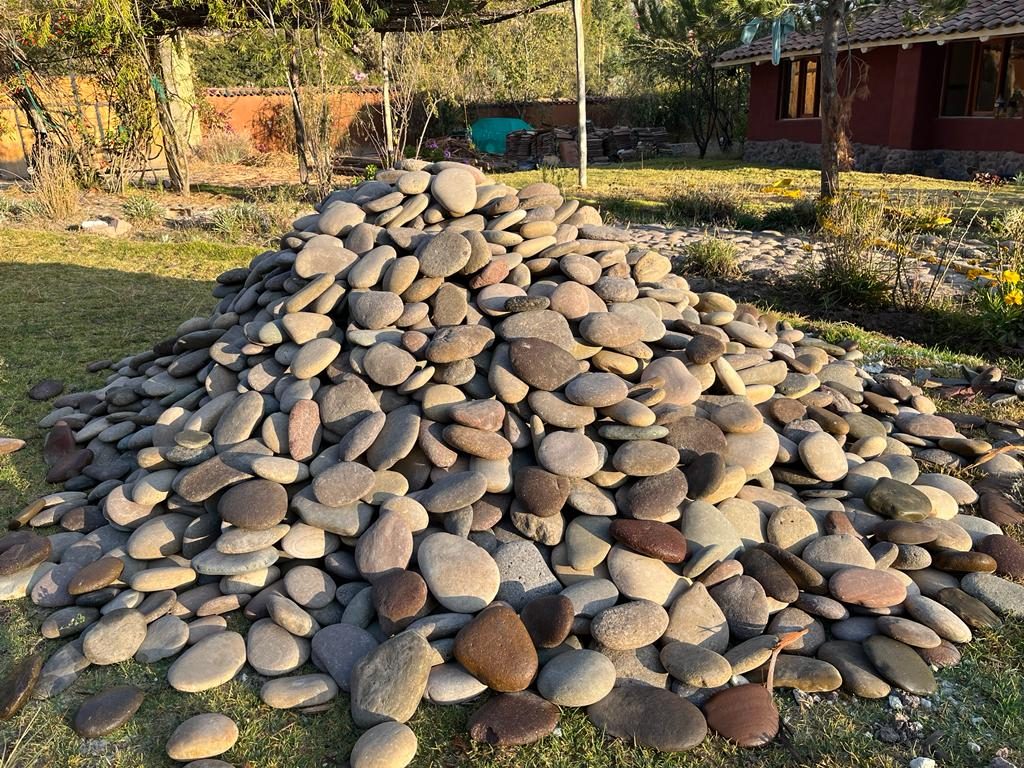
A pile of smooth river stones on the grass
The stones for the base of the walls arrive. August 2023.
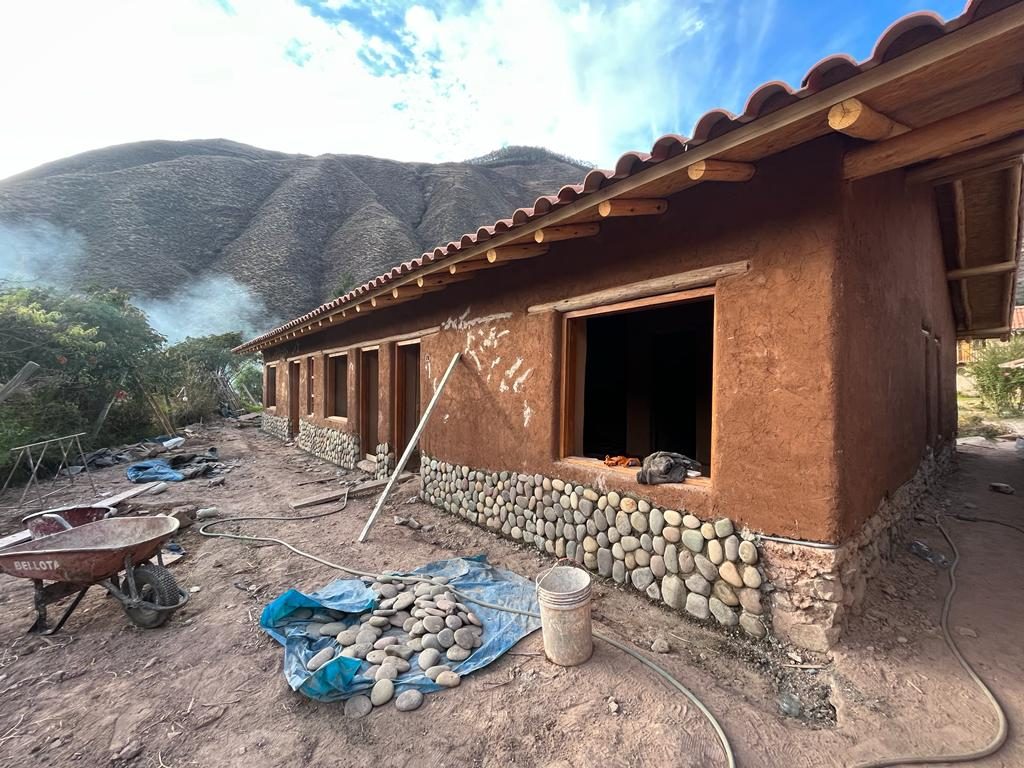
Finished stone base along a long earth wall
The stone base, finished. August 2023.
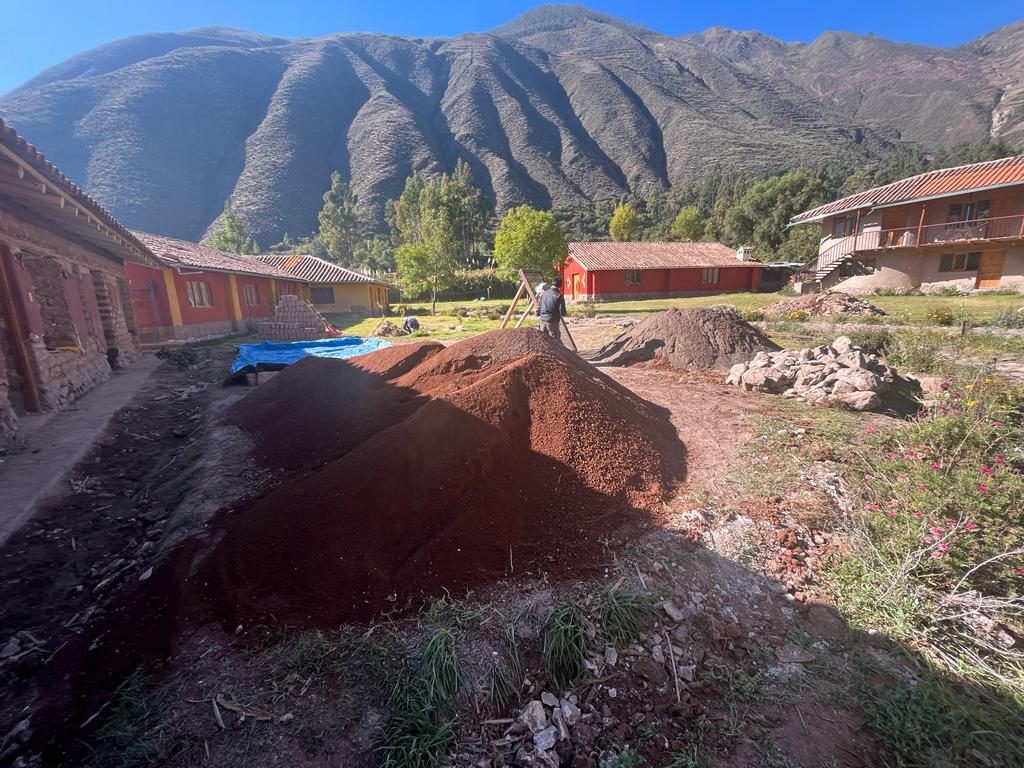
Earthworks beside the buildings, with mountains behind
Groundwork under the mountains. June 2023.
The rebuild, with local builders, 2023. Photos first shared on our X account.
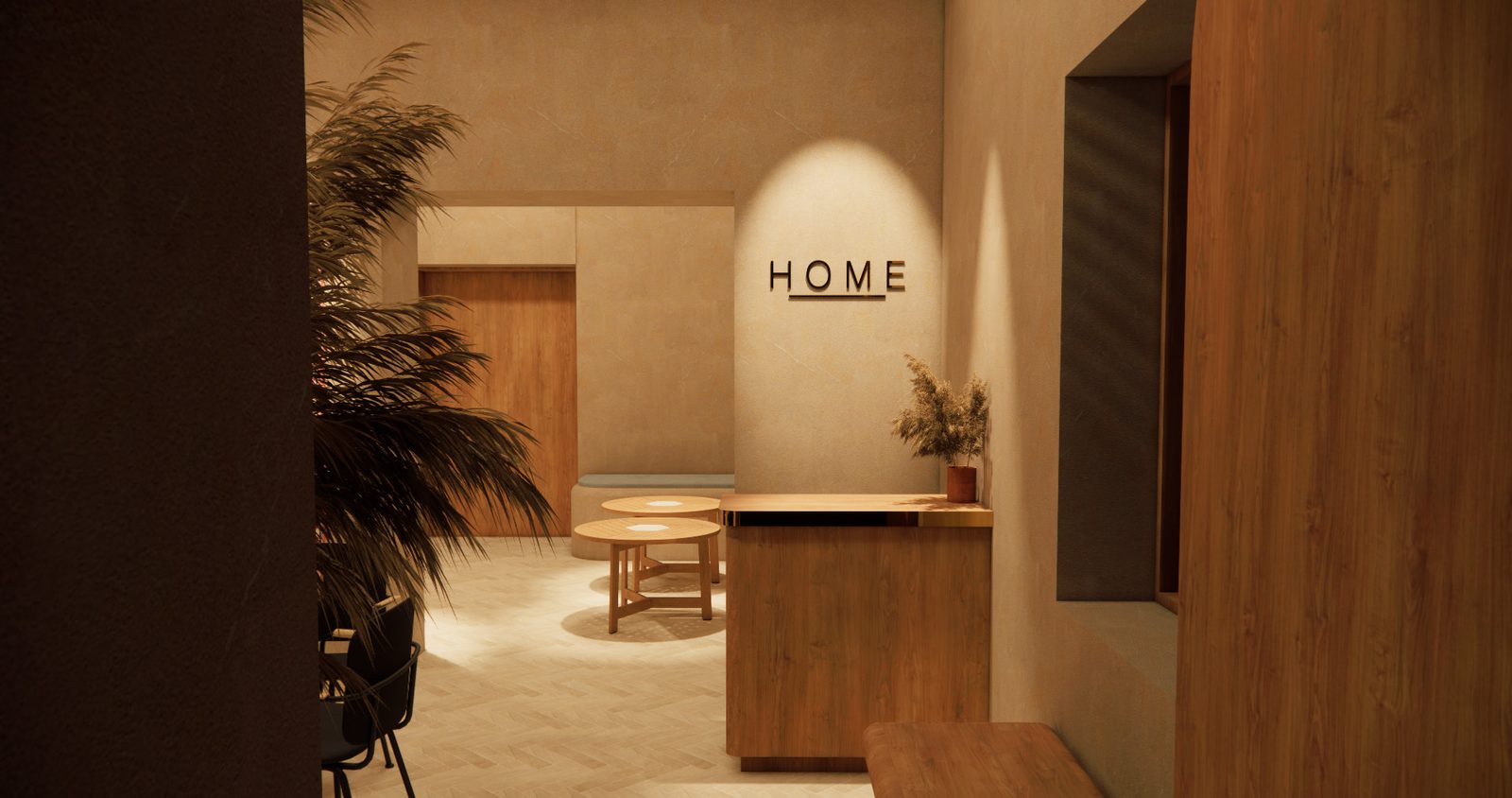
What we designed with Jaskani
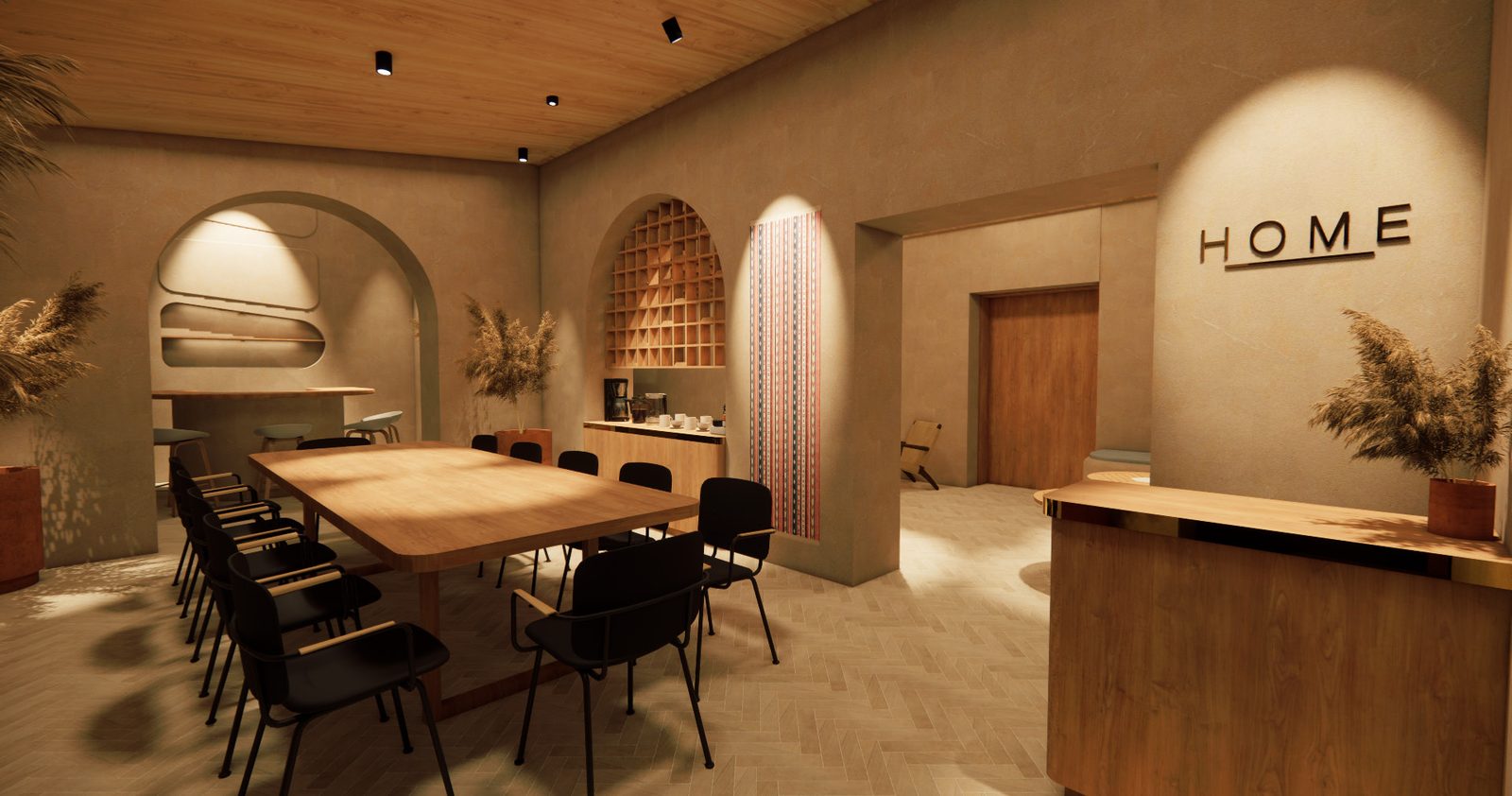
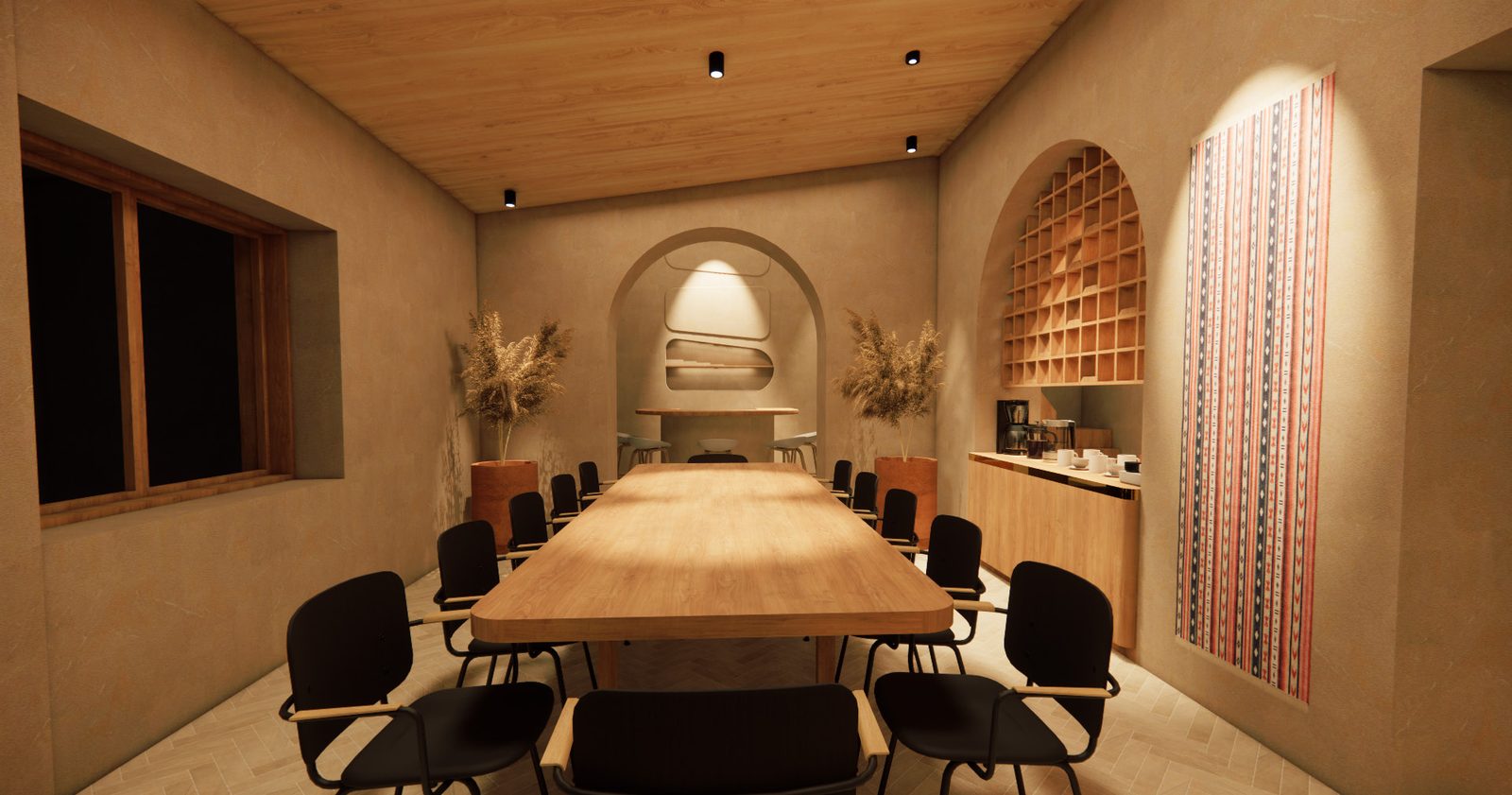
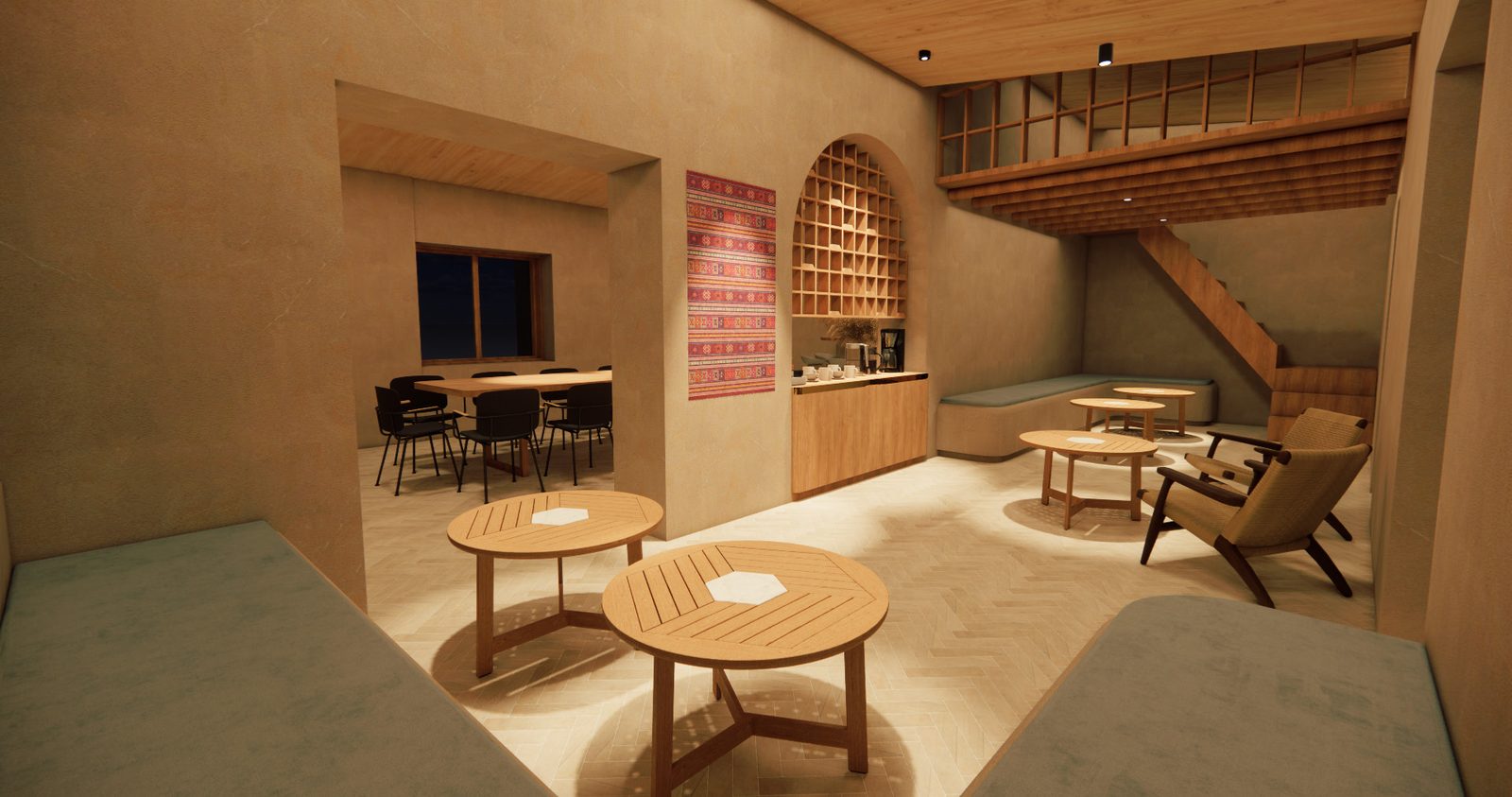
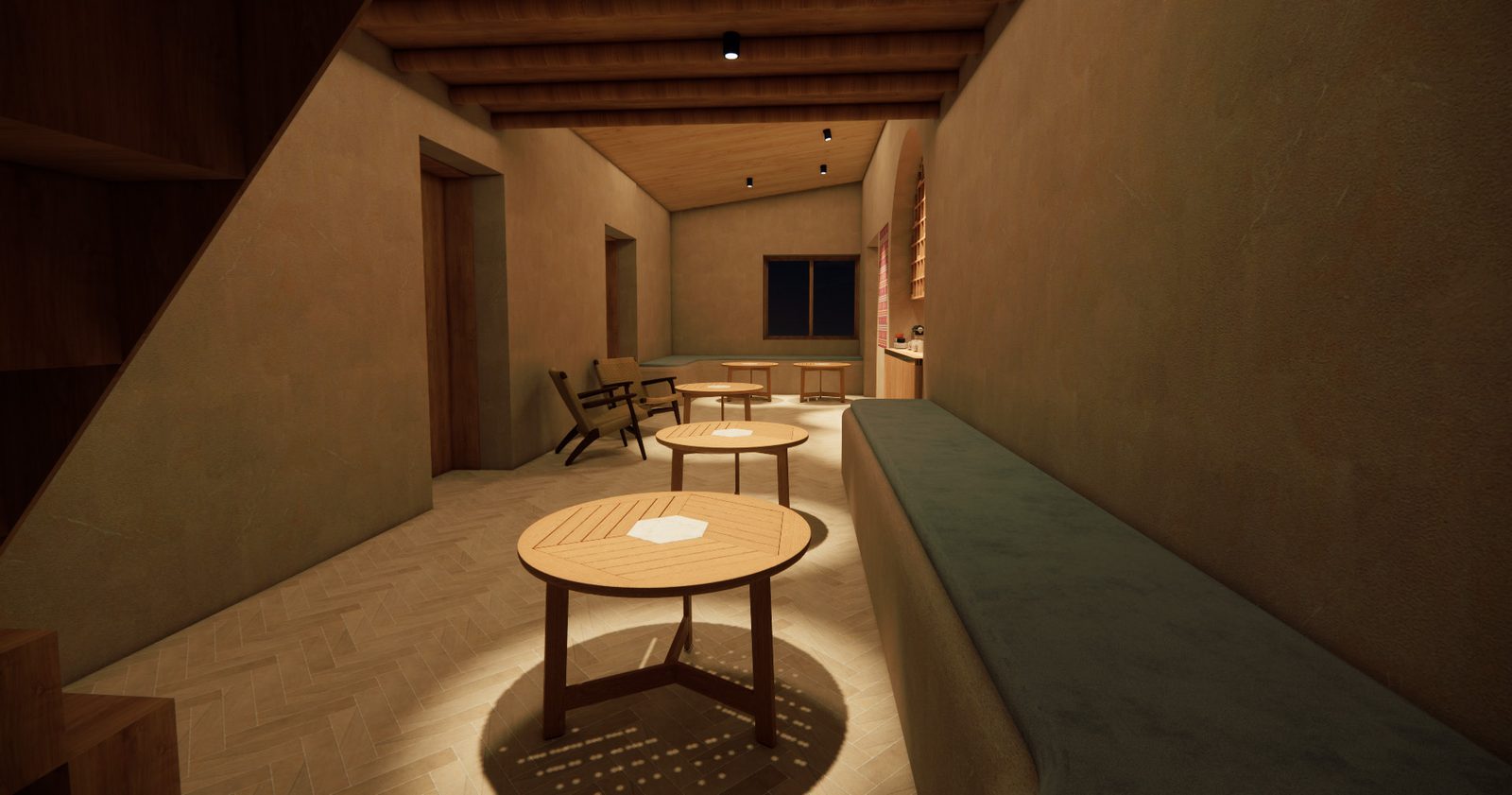
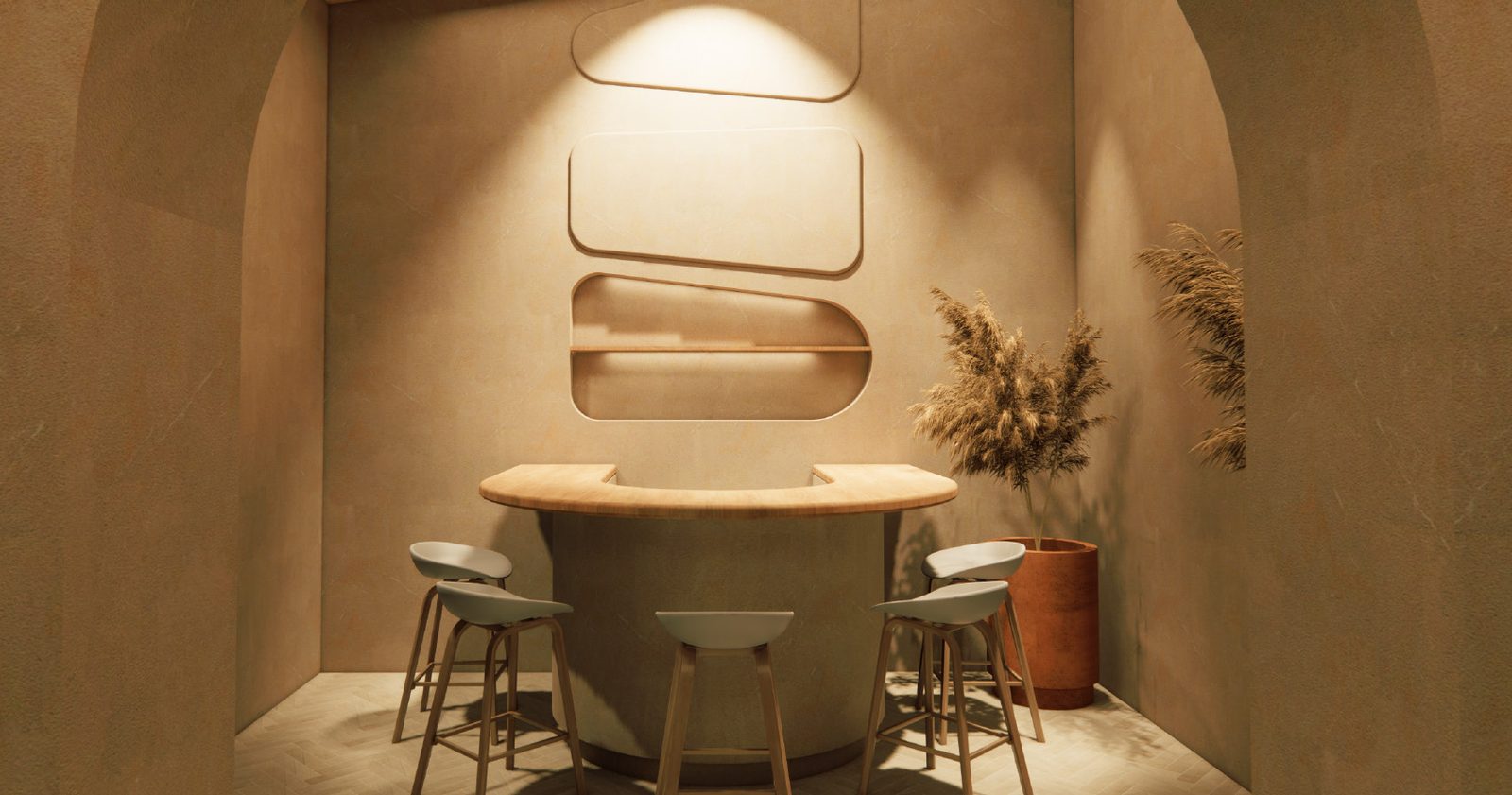
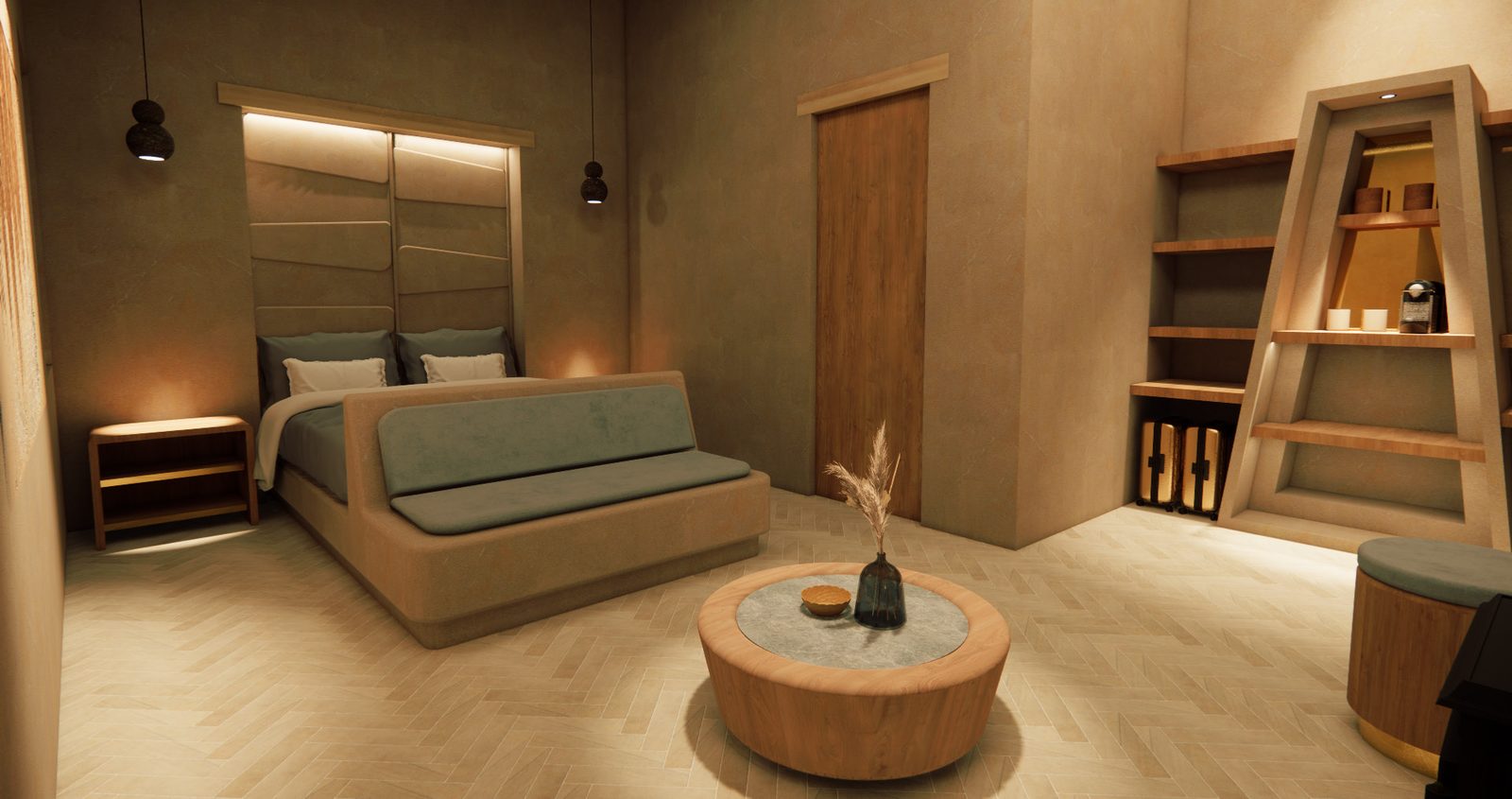
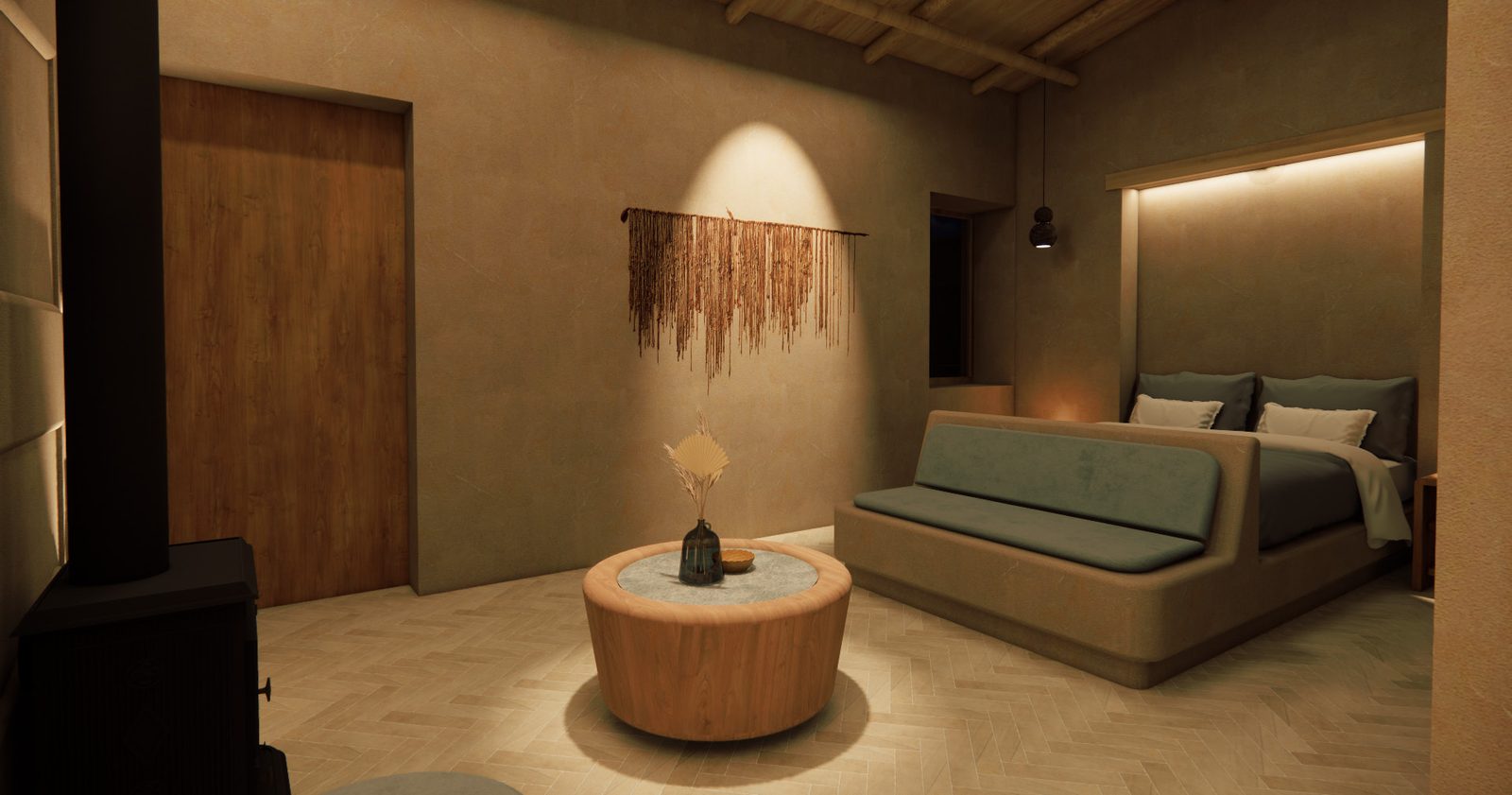
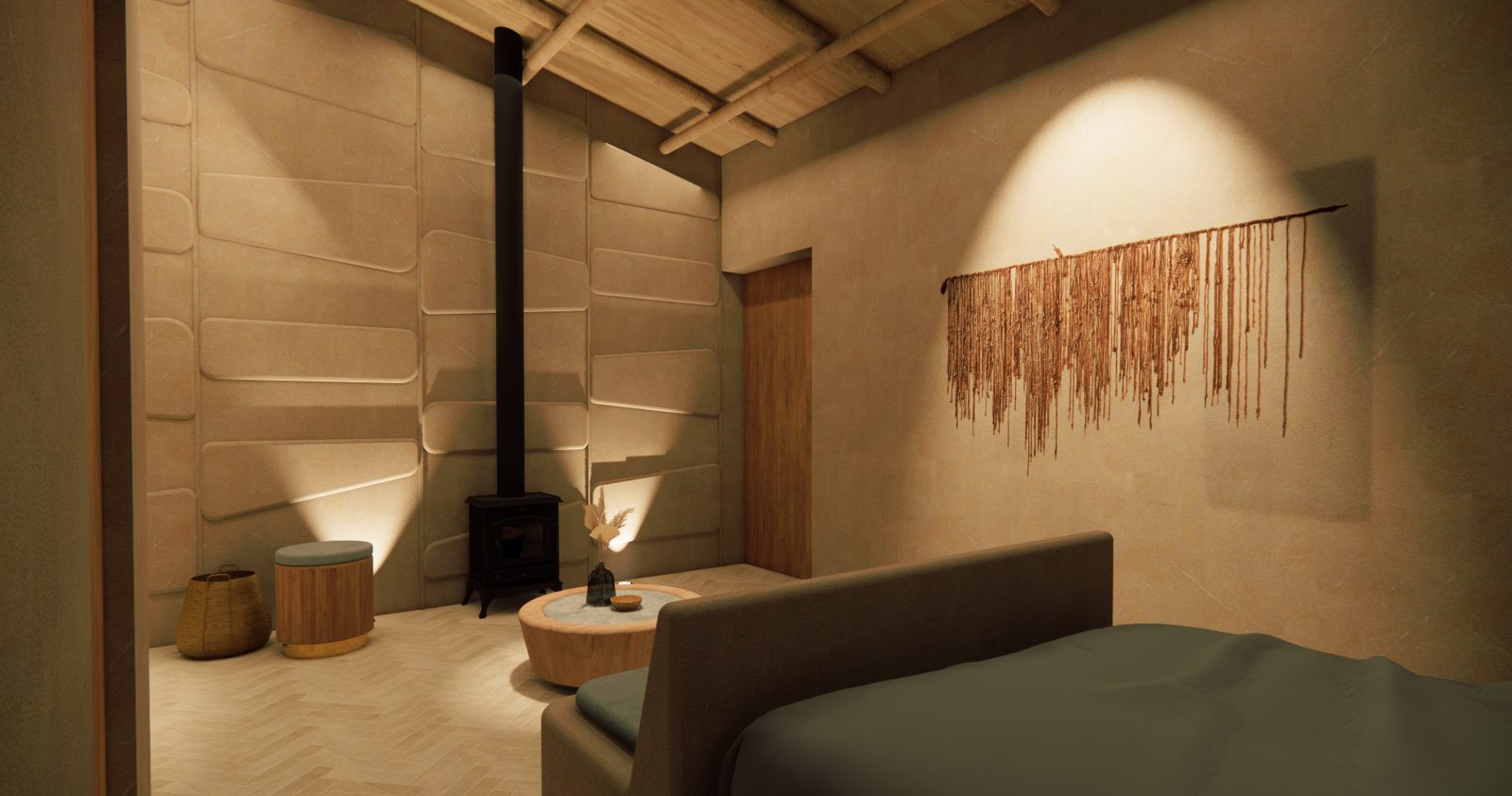
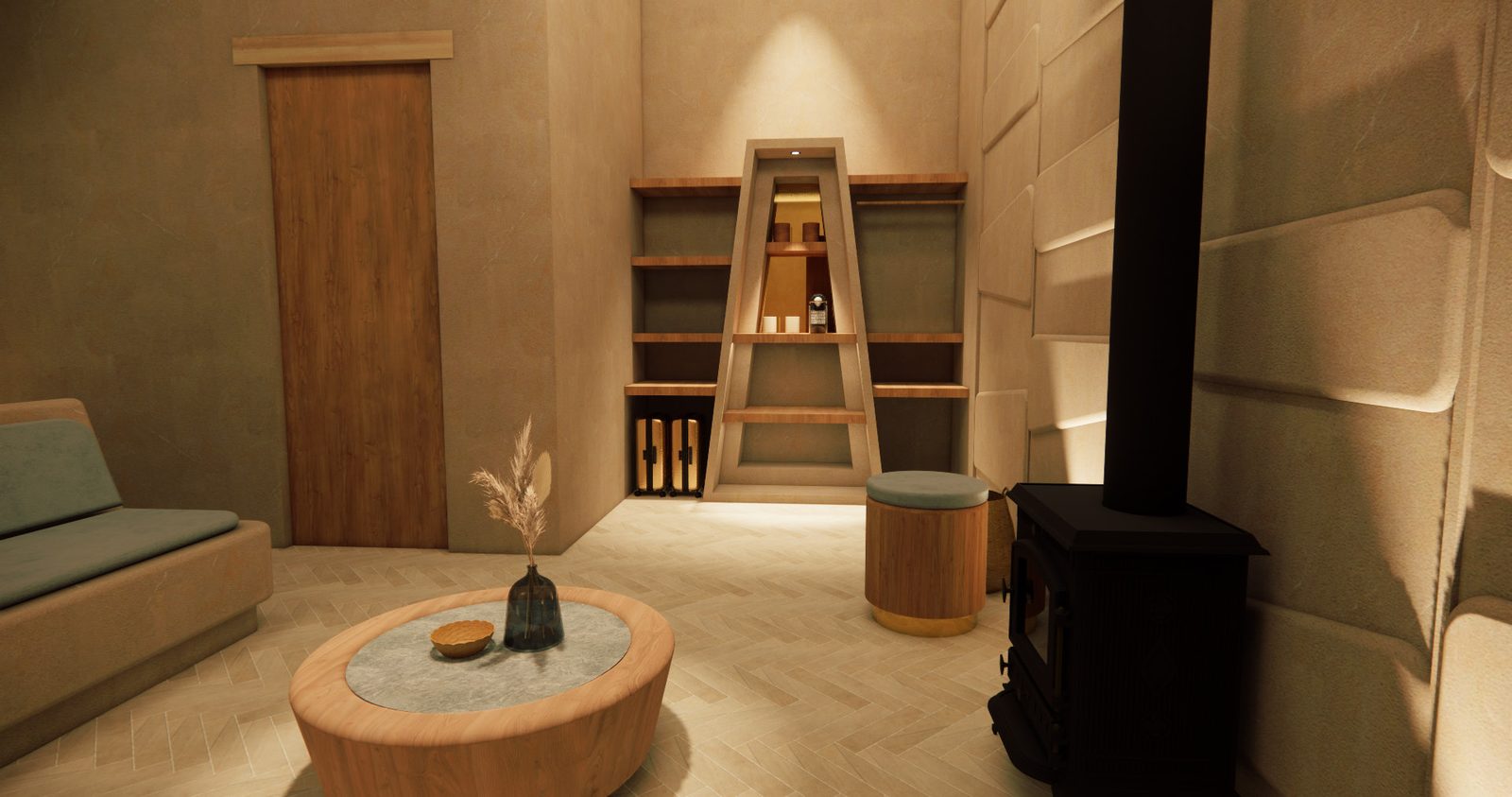
Render of a warm reception area with a HOME wall signRender of a reception desk beside a long dining tableRender of a long wooden dining table with black chairsRender of a lounge with round tables, benches and a mezzanineRender of a cozy lounge with round tables and a long benchRender of a curved wooden bar counter with stoolsRender of a bedroom with a sofa bed and a shelving unitRender of a bedroom with a stove, round table and wall hangingRender of a bedroom corner with a wood stove and wall artRender of a sitting corner with a stove and tall shelf
Interior designs for the home, 2023. Renders, not photos.
Life at Casa Girasol
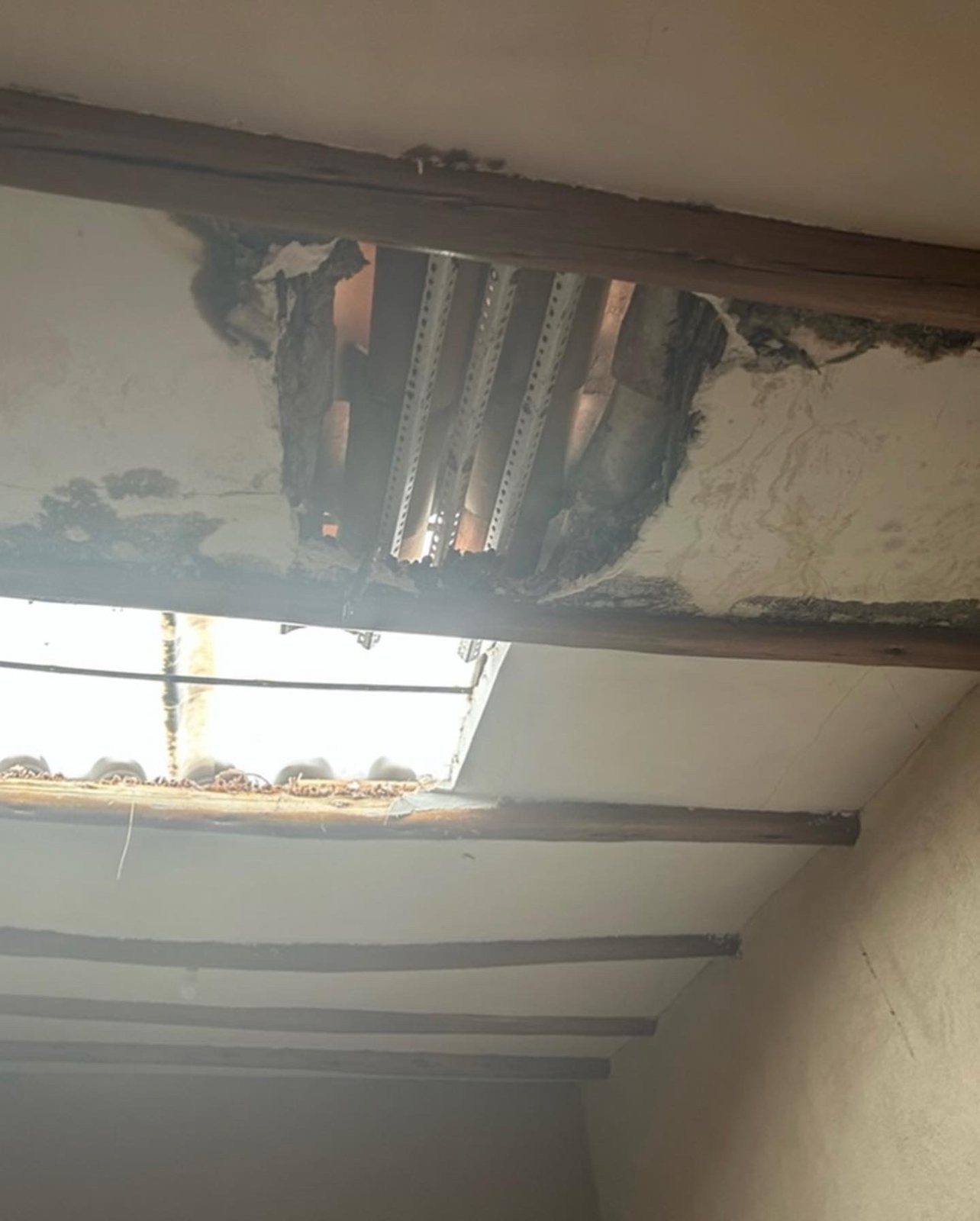
A damaged roof with daylight showing through
The roof, December 2022. Fixing it came first.
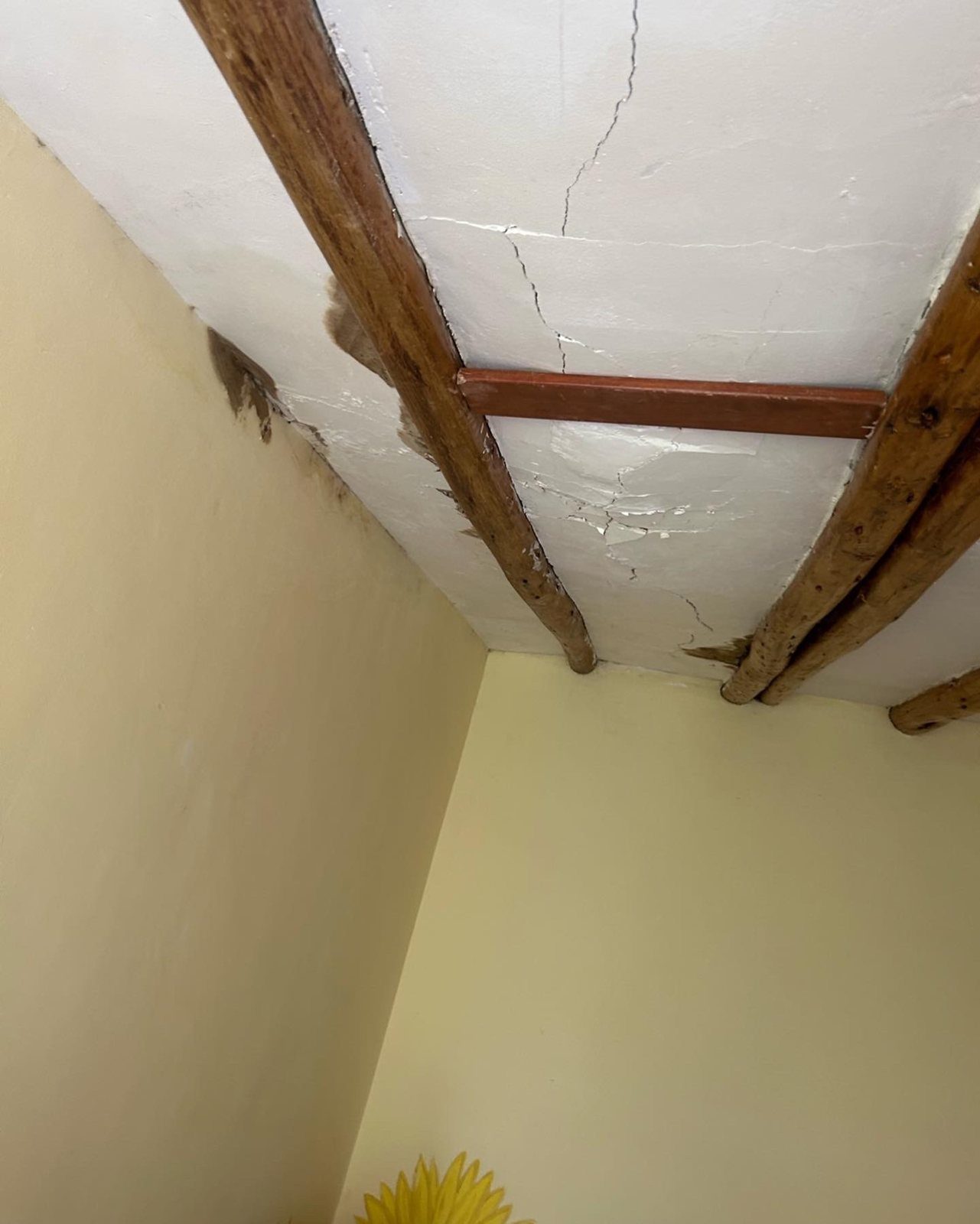
A cracked ceiling with water stains
Cracked ceilings and leaks, December 2022.
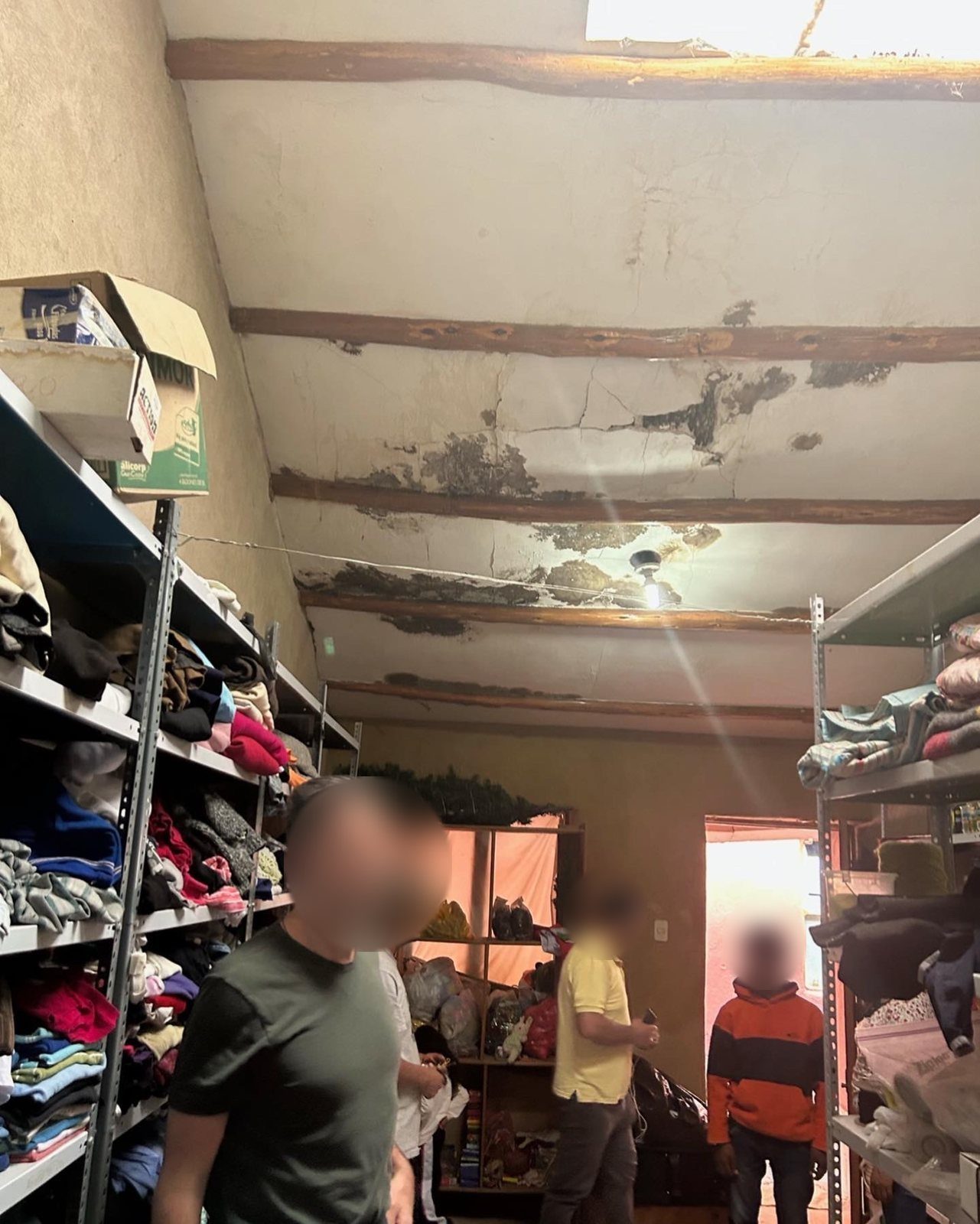
A storeroom with shelves of donated clothes
The clothes store, December 2022.
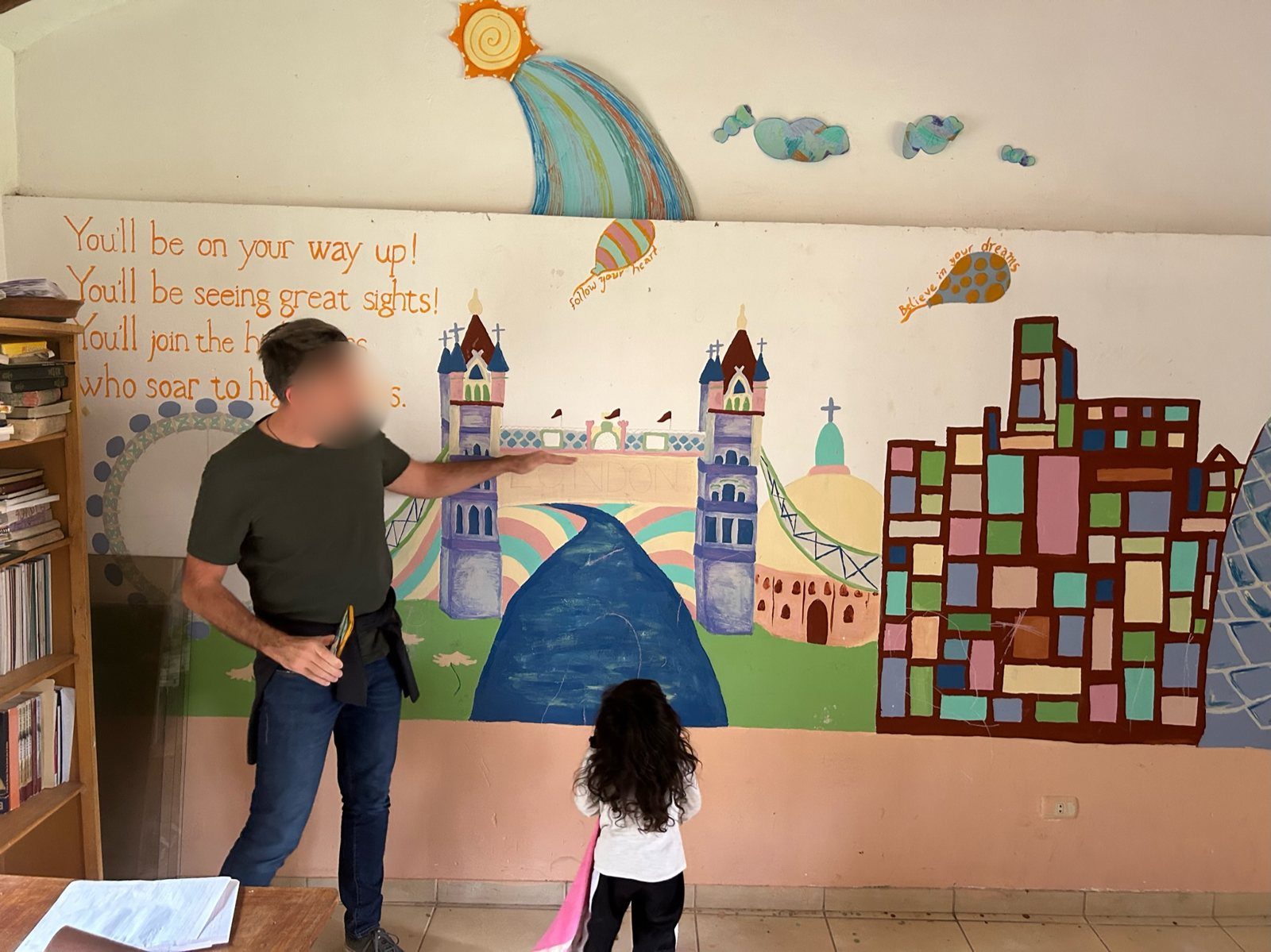
A child looking at a painted mural of a city
A visit to the home, January 2023.
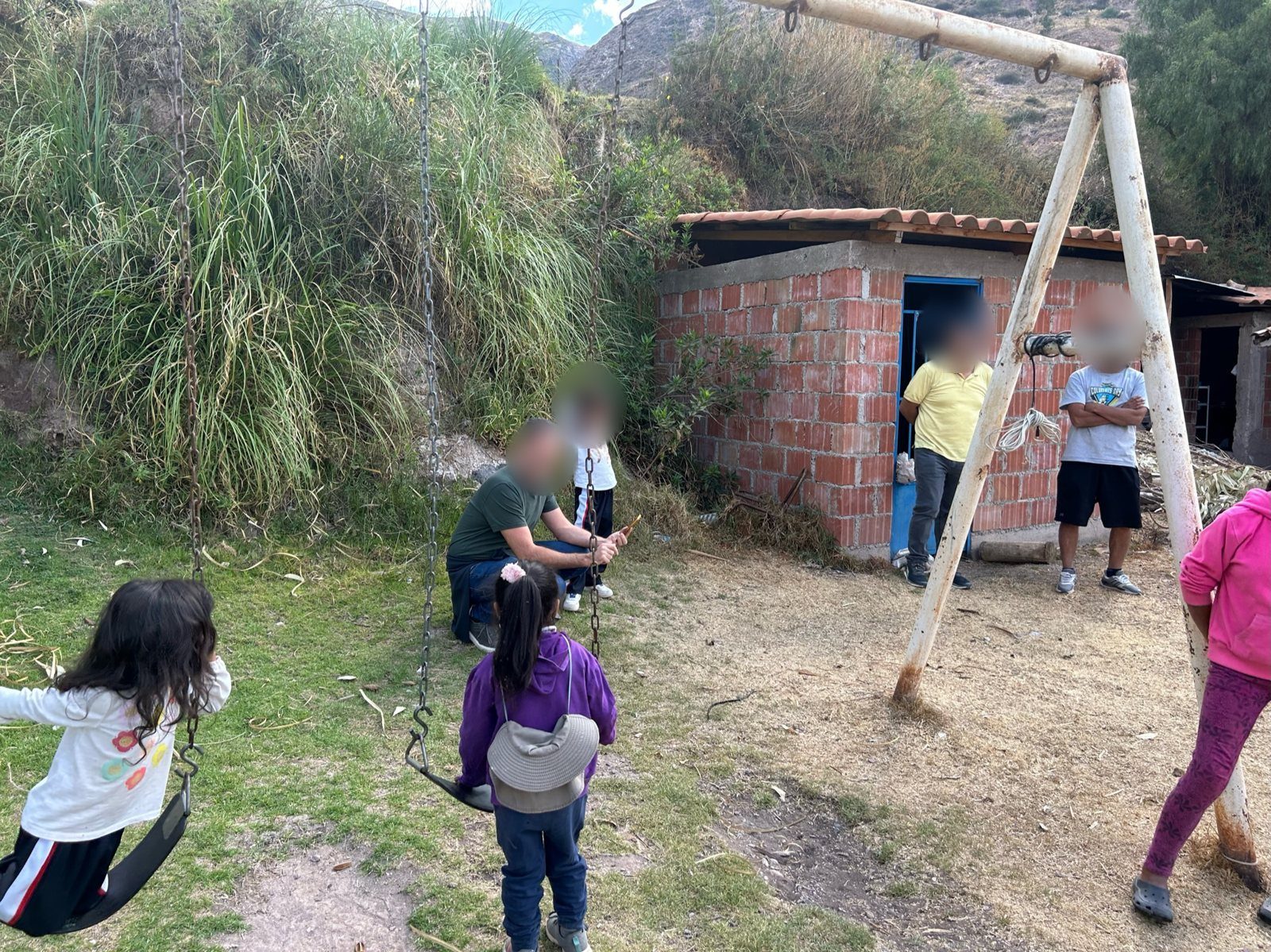
Children playing on old wooden swings
Playtime on the old swings, January 2023.
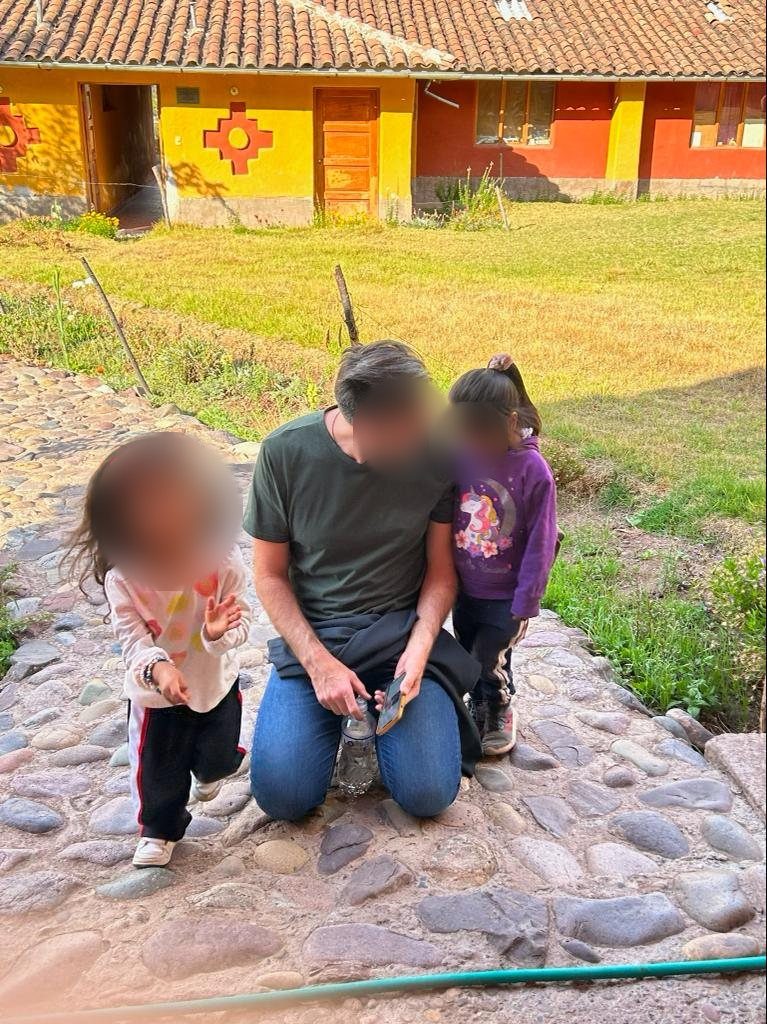
An adult kneeling on a stone path with two children
Onsite, June 2023.
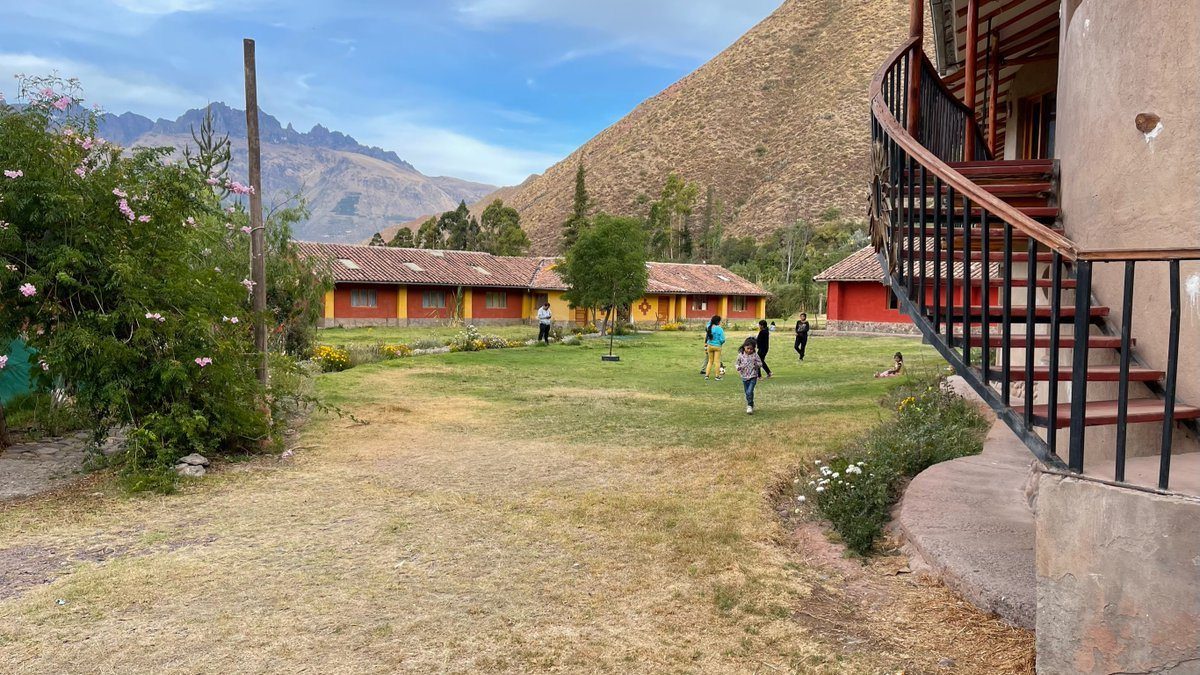
The home and its grounds with mountains behind
The grounds, July 2023.
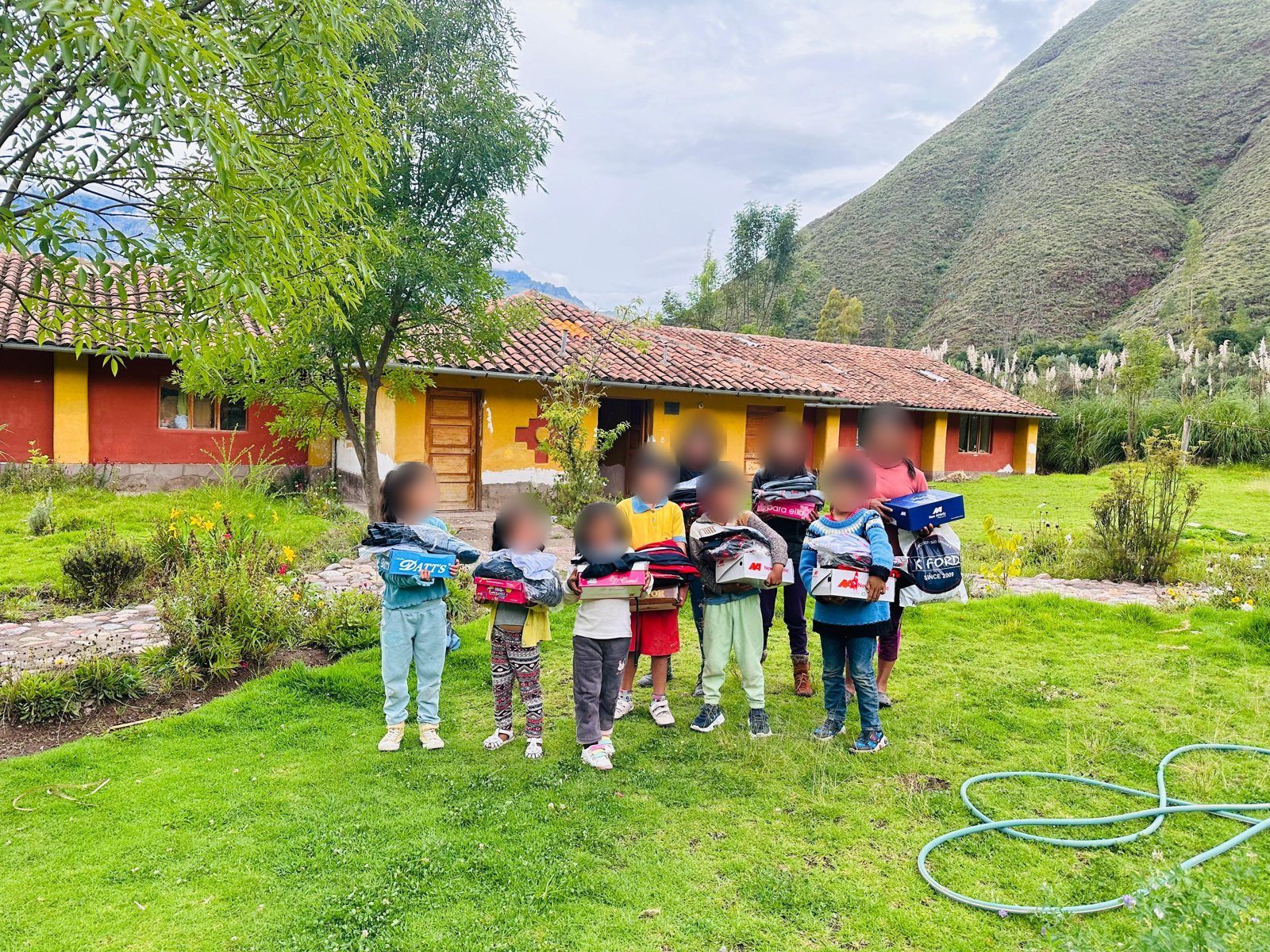
Children holding new school clothes and shoes
Ready for the school year, February 2024.
Children’s faces are blurred to protect them.
What we learned
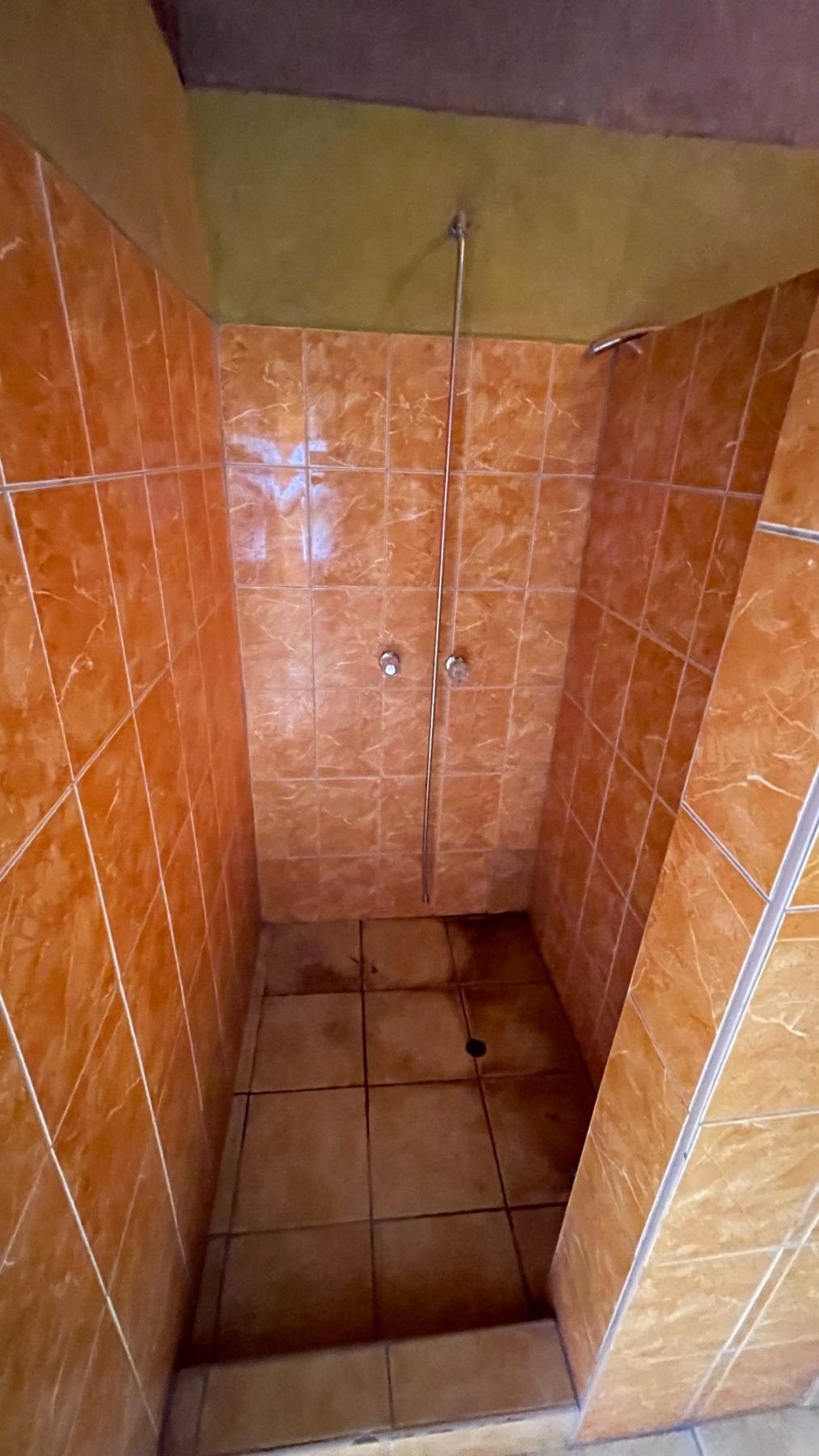
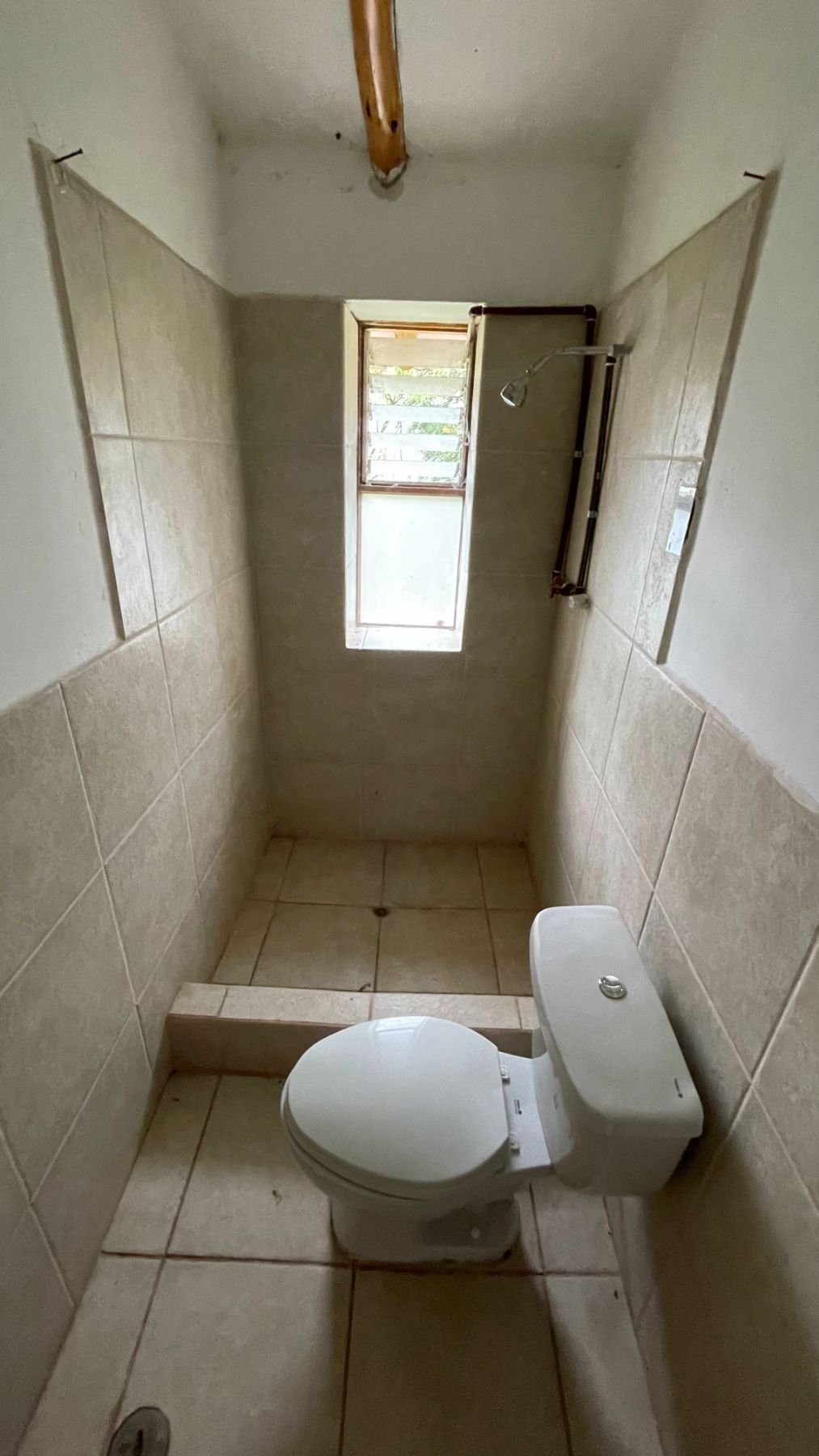
Small, finished things matter most. A dry room and a working shower changed more, faster, than any master plan.
What we learned
The rules shape the work. When regulations changed, the home could care for 10 children instead of 30–40. We now plan around the law from day one.
What we learned
Good care costs about $375 per child per month. Whatever funds an Awesomage has to meet that.
2El Salvador2023–2025

At Finca Las Marías we explored a different idea: a small resort on the same land whose income would pay for the children. With Amate we surveyed the site, drew a master plan and costed it in detail.

It taught us that a child’s care shouldn’t depend on a good tourist season, and that it’s better to start small and grow than to build big first.
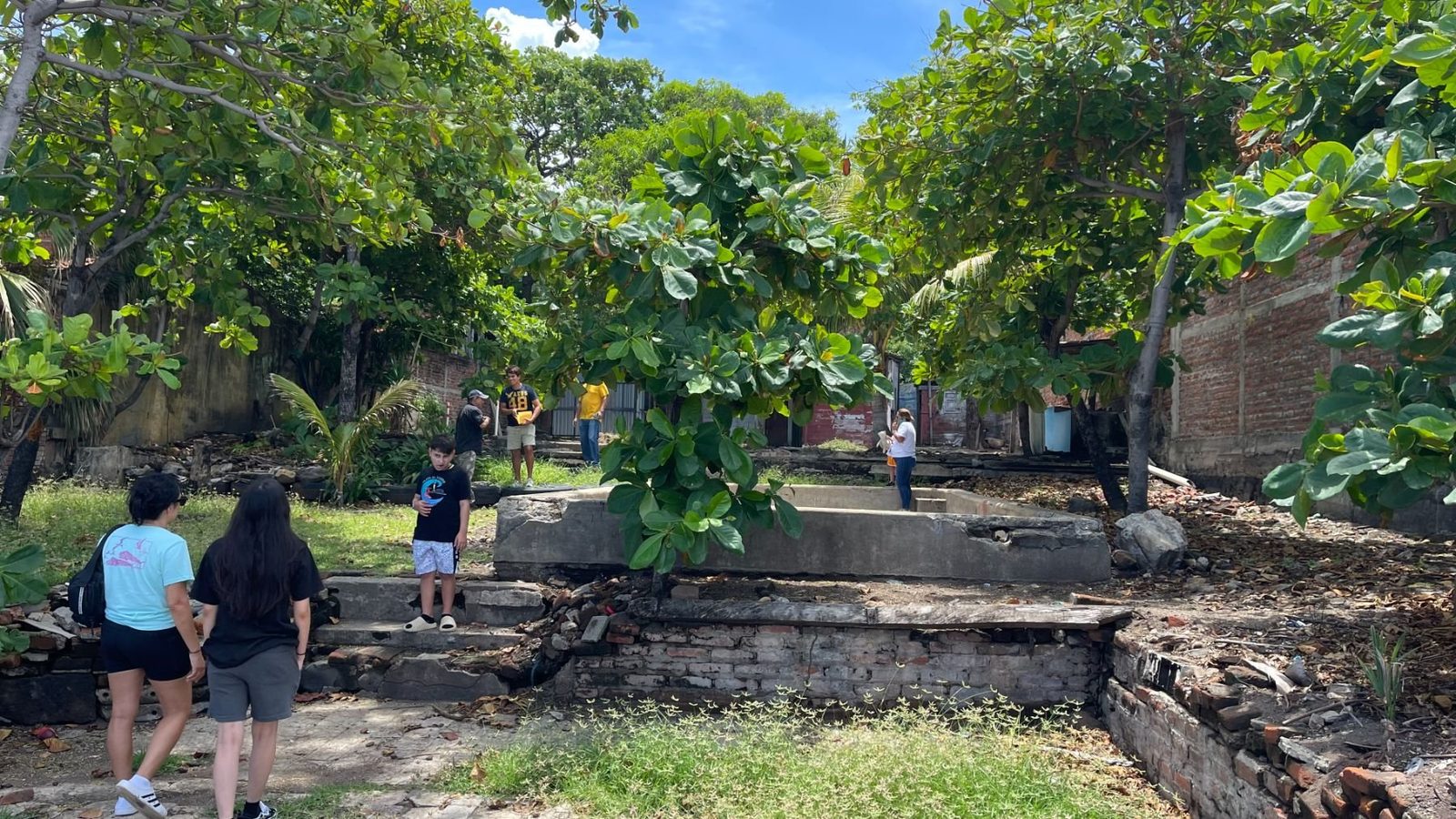
Site visit, El Salvador, 2023
Want to help build it?Get involved →